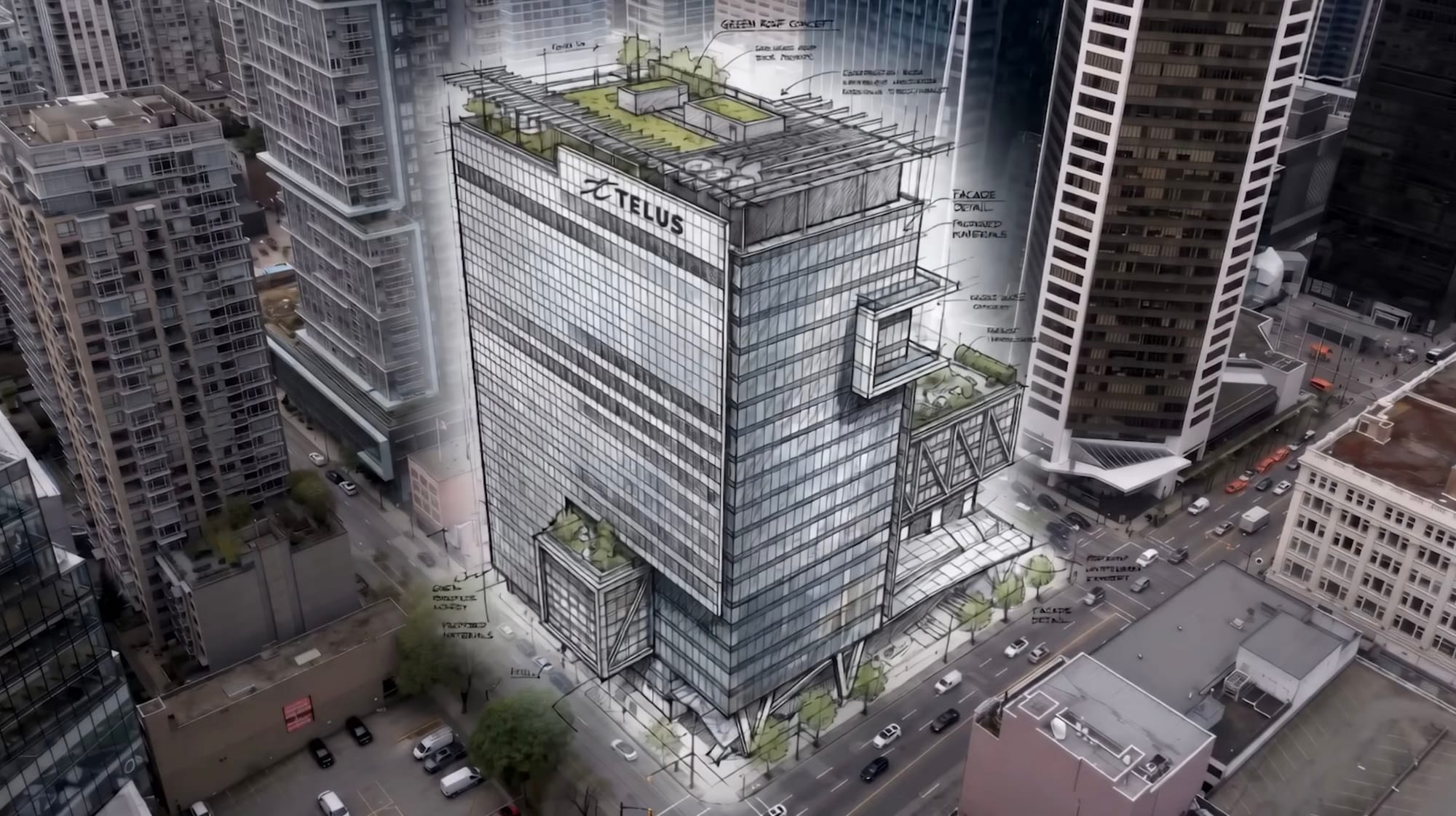
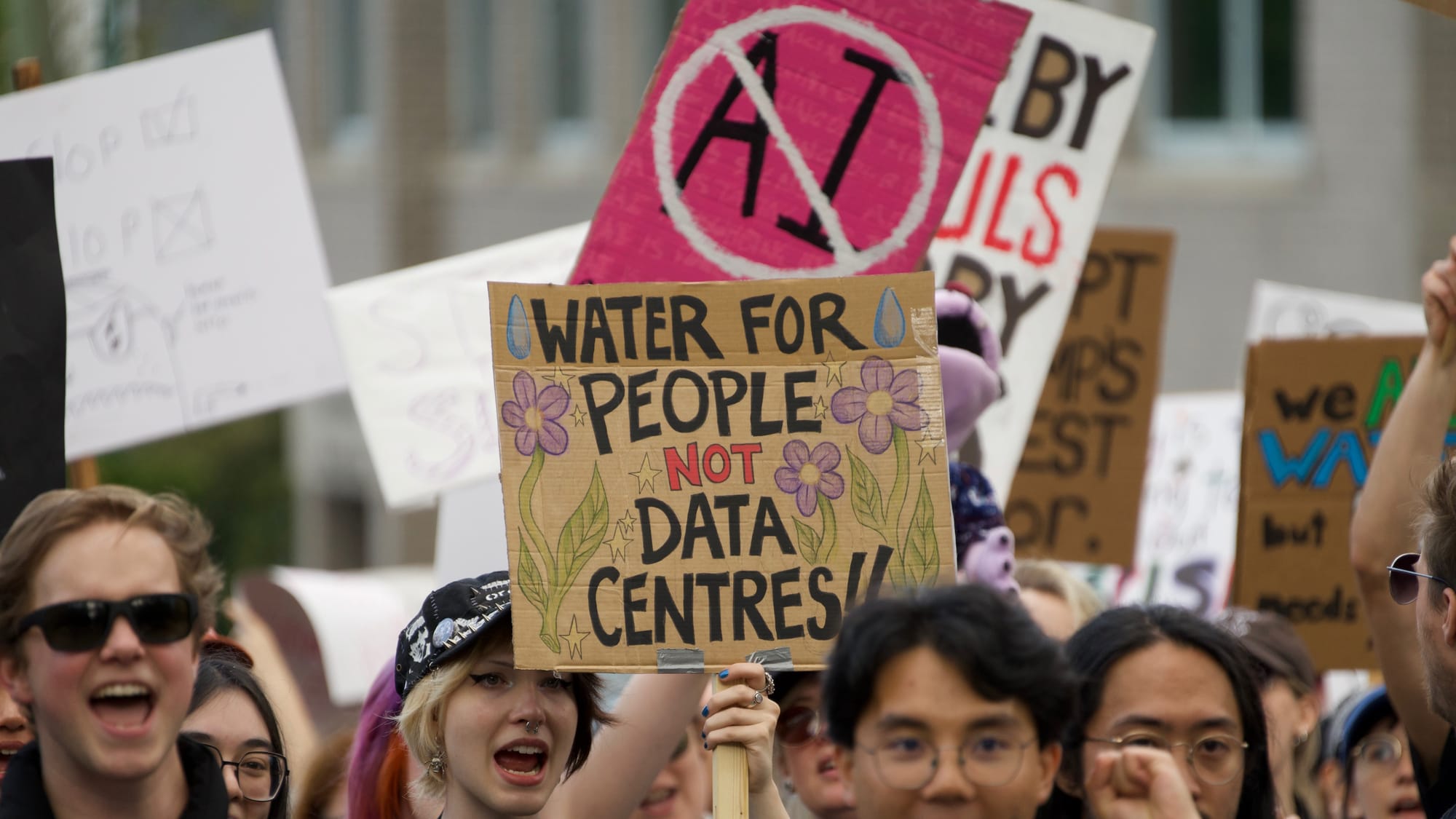


Vancouver city council has voted to "address the risks" of digital infrastructure — namely AI data centres.
The motion, introduced by Councillor Lucy Maloney, received unanimous support.
It calls on city staff to "urgently develop" a Bulk Data Storage Public Impact Requirement. Once created, it would require applicants, before any rezoning or permitting can commence, to "commission a third-party assessment addressing water, greenhouse gas emissions, potential air contaminants, noise and heat impacts, mitigation measures including heat recovery, and employment impacts relative to other viable industrial uses for the land."
An amendment by Councillor Solomon Yi-Kieran asks staff to develop a new definition that differentiates AI data centres from general bulk data storage facilities.
Councillor Lucy Maloney introduces a motion to "address the risks" of AI data centres and other digital infrastructure in Vancouver:
— Sitka Media (@sitkamedia) November 18, 2026
"The economic benefits to host communities often fall short of the returns realized by investors — by a long shot." pic.twitter.com/GvT95GwBYd
"This is about ensuring we move forward responsibly and thoughtfully," Maloney said, noting that the hyperscaling of data centres elsewhere in the world, including the United States, should be viewed as a cautionary tale.
"Compared to many other industrial businesses, data centres are often far more resource-intensive, placing greater strain on public infrastructure," Maloney argued. "They can consume vast quantities of water and energy while producing pollution, waste, heat, and noise."
She added that data centres "create fewer jobs than other industrial uses of the land" and at the end of the day, "the economic benefits to host communities often fall short of the returns realized by investors — by a long shot."
BC AI Ecosystem Association Executive Director Kris Krüg says any new AI data centre must ensure "wealth built on our grid and our land flows back" to Vancouverites:
— Sitka Media (@sitkamedia) November 18, 2026
"Vancouver should invest in local AI — clean, green, just compute infrastructure that brings everyone along." pic.twitter.com/3VVAXSfdDb
Among those who spoke on the motion was Kris Krüg, executive director of the BC AI Ecosystem Association.
He argued that while AI is both a blessing and a curse, Vancouver ought to embrace the infrastructure, so long as "wealth built on our grid and our land flows back to residents."
"People's concerns here are legitimate," Krüg said, "but so are the possibilities — new skills, new companies, and new science."
He urged council to "let both be true" via two tests for new infrastructure, "is the harm acceptable and does the public share in the returns."
"People will need somewhere to get their AI tokens from, and today that compute mostly comes from elsewhere, on someone else's terms," Krüg continued. "The Silicon Valley hyperscaler, neo-cloud business model of rolling out AI is not the only way. Vancouver can and should invest in local AI — clean, green, just compute infrastructure that brings everyone along."
 Jarryd Jäger
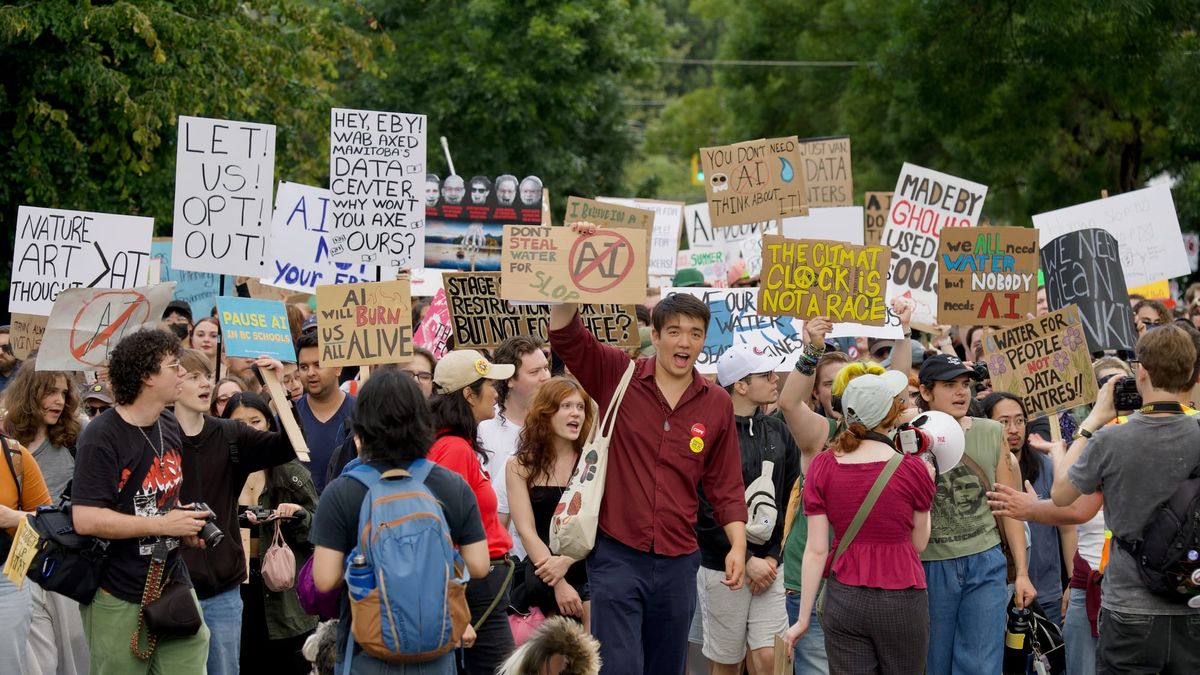
The move comes amid growing opposition to AI data centres in Vancouver. Earlier this year, Westbank and Telus announced the creation of two new facilities, one downtown and another in Mt. Pleasant.
 Jarryd Jäger
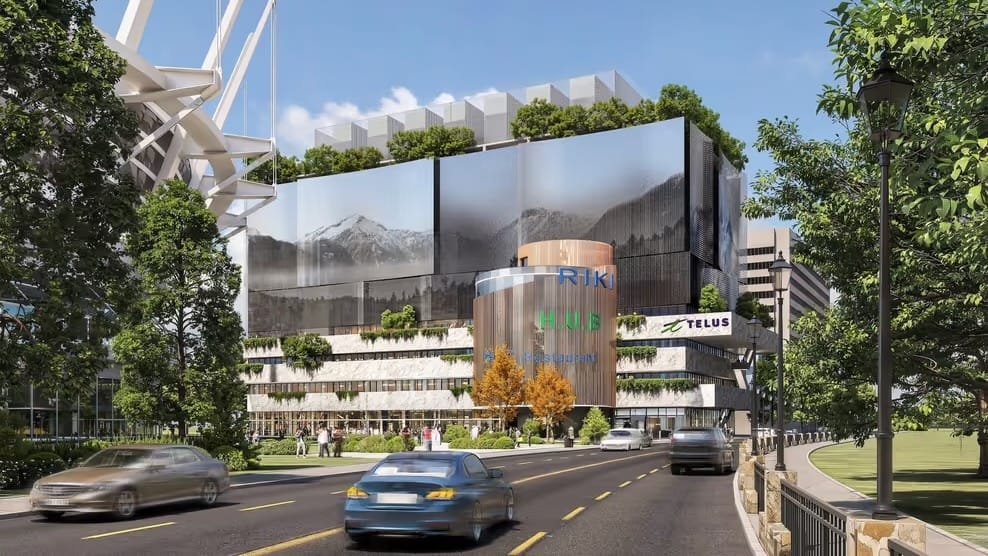
Telus recently announced that it had pulled out of the projects, though no explanation was given. Westbank has vowed to complete them with a yet-to-be-named new partner.
 Jarryd Jäger
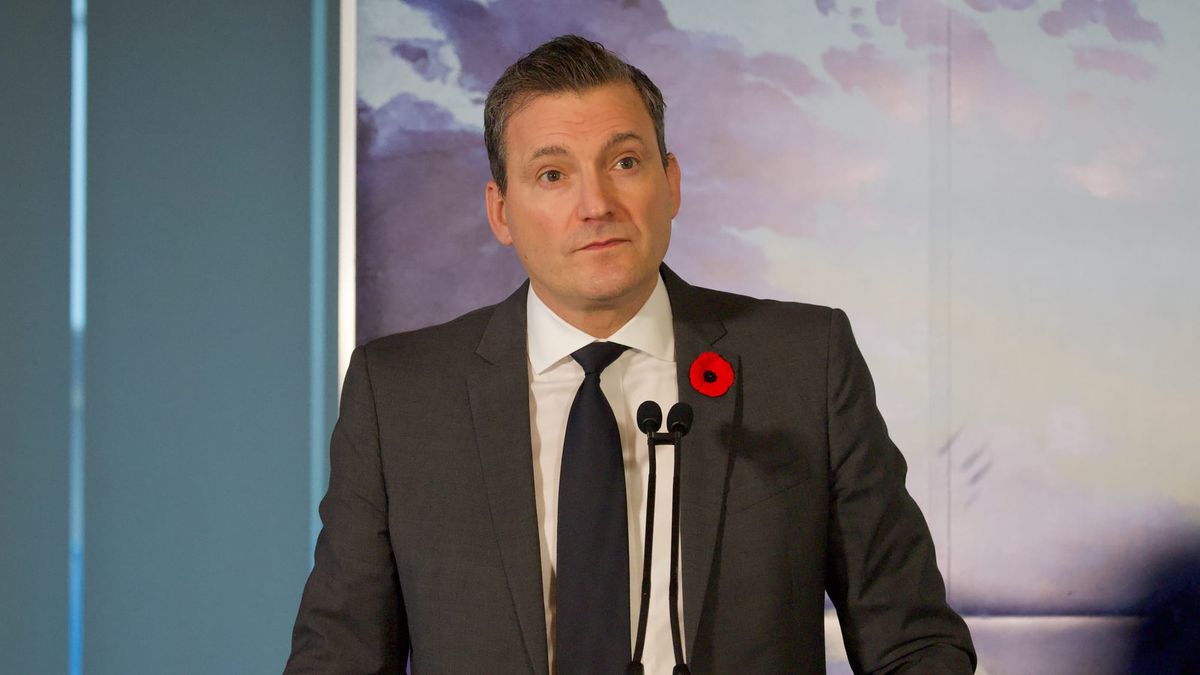
Federal AI Minister Evan Solomon has argued that enough safeguards are in place to keep Canadians safe from the technology and mitigate the impacts of its infrastructure.