


VANCOUVER — The BC government has announced that it will be supporting local companies to test their technology in the healthcare system.
Artificial intelligence is front and centre, with numerous firms offering up ways to try and improve experiences for both patients and doctors.
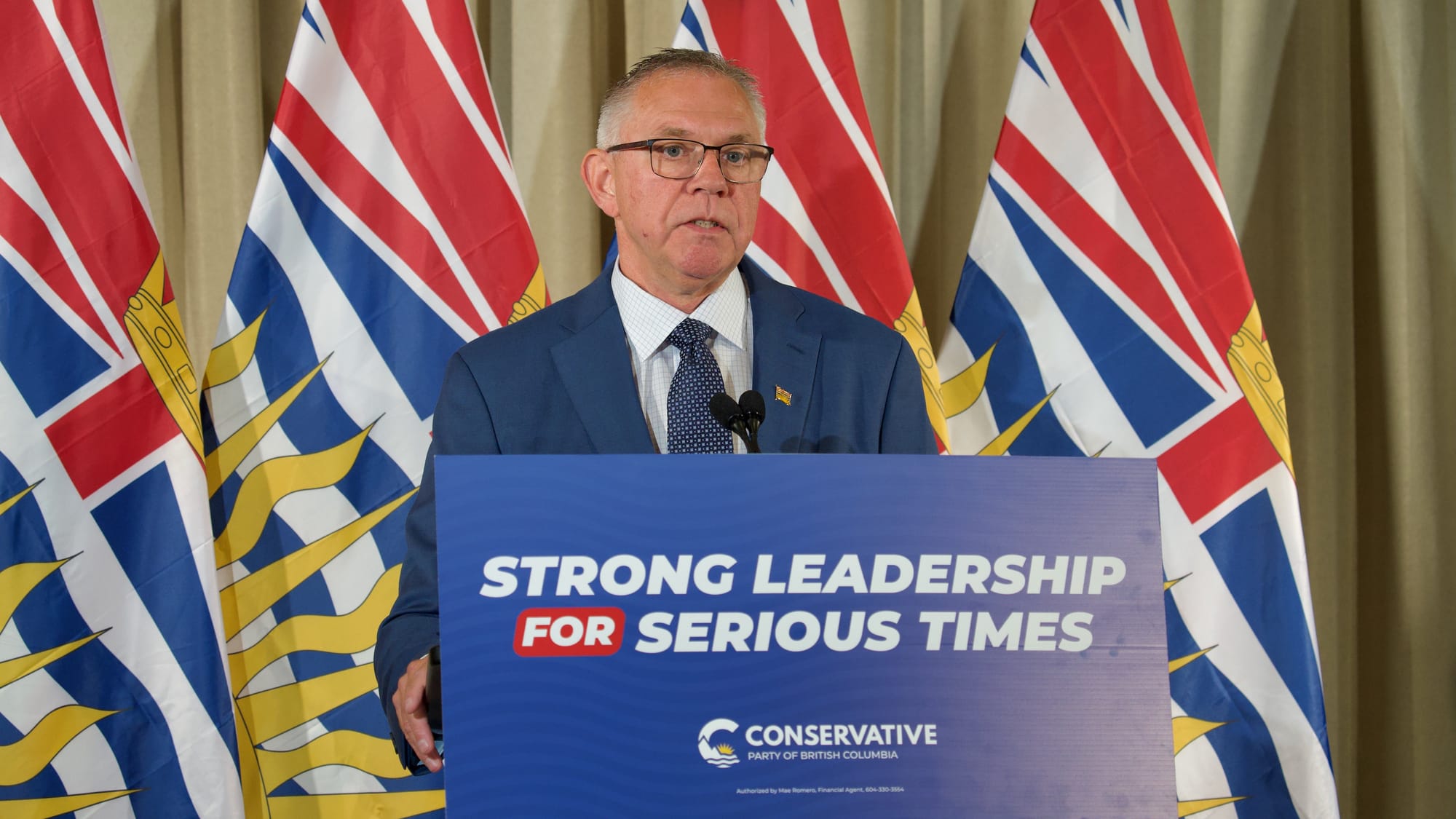
While there are a number of potential benefits, the move towards an AI-driven future has its risks. During a press conference at Web Summit on Wednesday, AI & New Technologies Minister Rick Glumac addressed those concerns.
BC is working to integrate AI into the healthcare system and other public services.
— Sitka Media (@sitkamedia) May 13, 2026
The gov’t has talked a lot about the potential benefits, but what about the risks?
Sitka Media’s @JarrydJaeger asked AI & New Technologies Minister @RickGlumacBC.
Here’s his response 👇 pic.twitter.com/i1IIqGAVjw
"It's such a fast-evolving situation with AI," he said in response to a question from Sitka Media. "We really have to keep on top of that."
Glumac explained that the province has been in communication with the federal government about "certain guardrails," and said he'd like to see Ottawa "step up" in the wake of the Tumbler Ridge massacre.
"We'd like to have a uniform standard on reporting," he continued. "Companies need to know when they need to report so they don't over-report or under-report, and we can't have every province having different standards."
Glumac added that his team had recently spoken with federal AI Minister Evan Solomon, and there will be "some announcements" on the issue in the coming weeks.
The BC gov’t is working to integrate AI into public services.
— Sitka Media (@sitkamedia) May 13, 2026
That’s gonna require more data centres.
Sitka Media’s @JarrydJaeger asked whether new facilities will be located in urban centres (like the recently announced Vancouver locations) or more rural areas. pic.twitter.com/WXNtXyN6z4
Expanding AI's use in the public service will require more data centres, such as those recently announced in Vancouver and Kamloops. Those, in turn, will require more power.
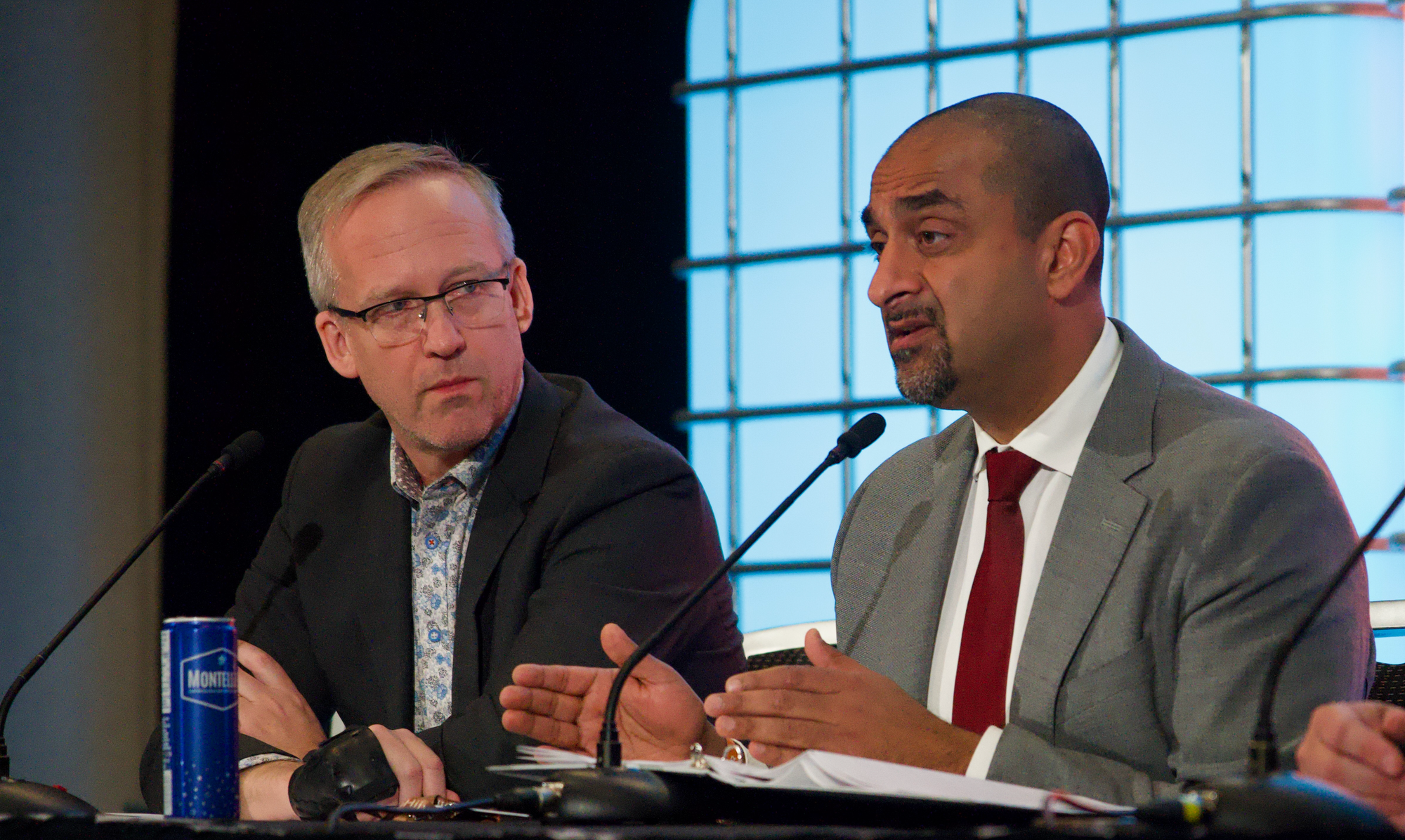
Jobs Minister Ravi Kahlon said that while BC has "made limited power available for data centres," the goal is to "focus on decarbonizing our economy."
"Some people in the tech community want us to have unlimited power available for data centres, but we're being very selective," he added. "We need some data centre capacity for sovereignty to make sure data is protected ... the projects that we're looking to bring forward in BC aren't at the scale as we see in the US, but we believe meet the needs of what we need here in BC and Canada."
Kahlon noted that Ottawa has indicated they'd "like to see data centre projects across the country."
BC Greens Leader Emily Lowan says not enough is being done to assess possible threats posed by AI and AI infrastructure:
— Sitka Media (@sitkamedia) May 13, 2026
“It’s important that we establish data sovereignty, but right now the govt is just so bullish on AI … we’re not seeing clear-eyed evaluations of the risk.” pic.twitter.com/WDaPeBzCly
Following the press conference, Sitka Media heard from BC Greens Leader Emily Lowan, who argued that not enough is being done to assess possible threats posed by AI and AI infrastructure.
"It’s important that we establish data sovereignty, but right now the government is just so bullish on AI," she said. "They're rapidly trying to chase this AI bubble, but we’re not seeing clear-eyed evaluations of the risk.”
Lowan cited the fact that Telus, which recently "lost" one petabyte — that's 1,000 terabytes — of user health data, and transferred 14 petabytes of data to the Google Cloud, which is owned by American tech companies.
She went on to note that people in communities across the province — namely those near the sites of soon-to-be-built data centres in Vancouver and the Interior — are "incredibly concerned about the direct impacts that this is gonna have on our hydroelectricity."
Lowan pointed out that BC is "already net-importing" coal-fired energy, and that, "the more these data centres drain, the more we're dependent on the US."
"At a fundamental level, we're not seeing a government with the political courage to regulate," she lamented.