

The BC Nurses’ Union says a final and binding arbitration decision on nurses’ compensation falls short of addressing the province’s nursing shortage and ongoing challenges within its health care system.
In a bulletin posted on its website Saturday, the union expressed disappointment with the November 18 decision, which resolves outstanding compensation matters under the 2025–2029 Nurses’ Bargaining Association collective agreement.
According to the arbitration decision, nurses will receive annual wage increases of 3%, retroactive to April 2025 — far less than the 8% sought by the NBA.
The decision also reduces the nursing wage grid from 10 steps to seven beginning in April 2027.
Starting in April 2028, eligible nurses will receive an additional 50 cents per hour in recognition pay at 10 years of service, falling short of the $2-per-hour increase sought by the NBA. A proposed one-time retention bonus of $5,000 was also rejected.
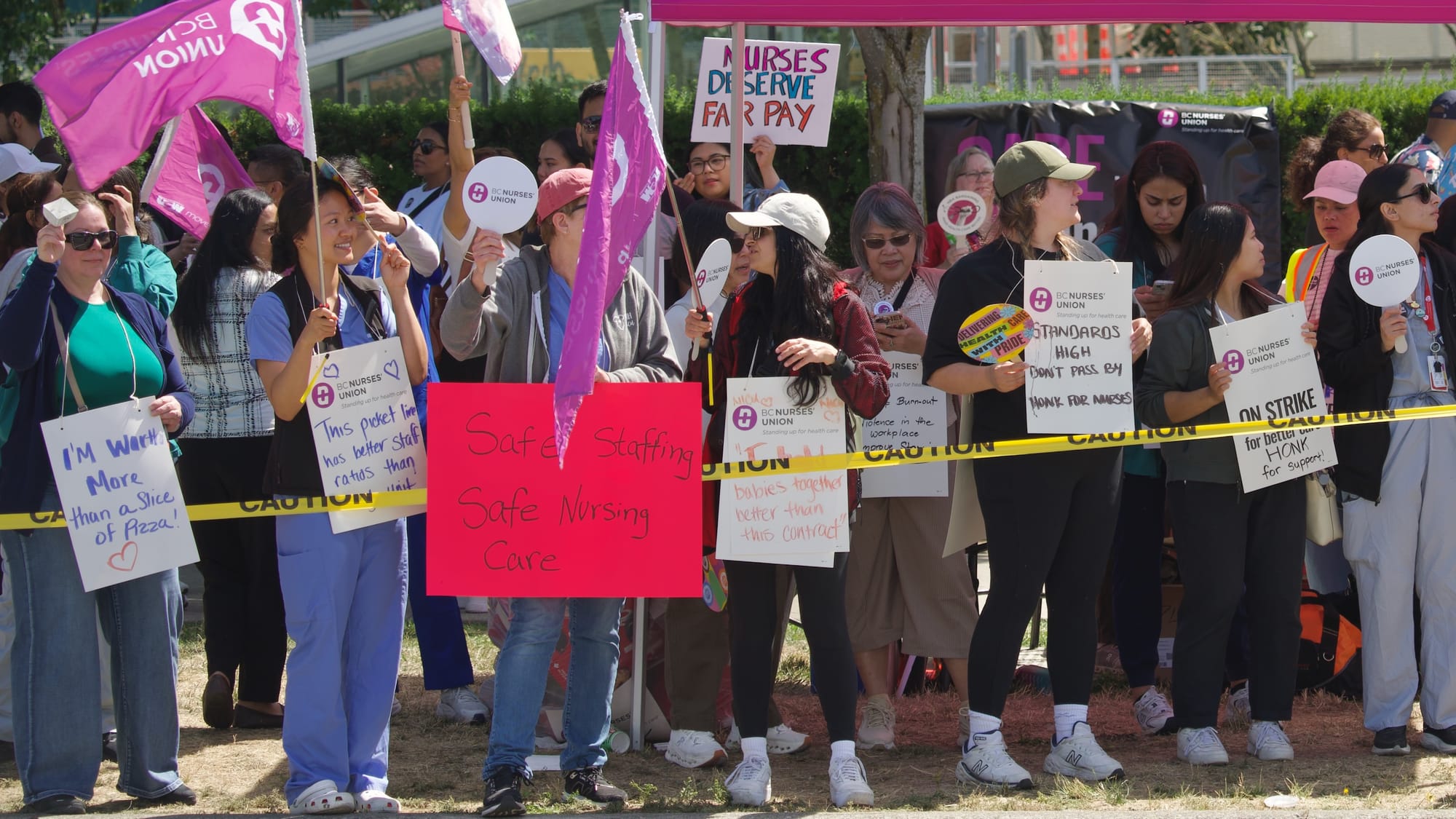
The decision follows months of negotiations and what the union describes as the longest nurses’ strike in BC’s history this past summer.
 Jarryd Jäger
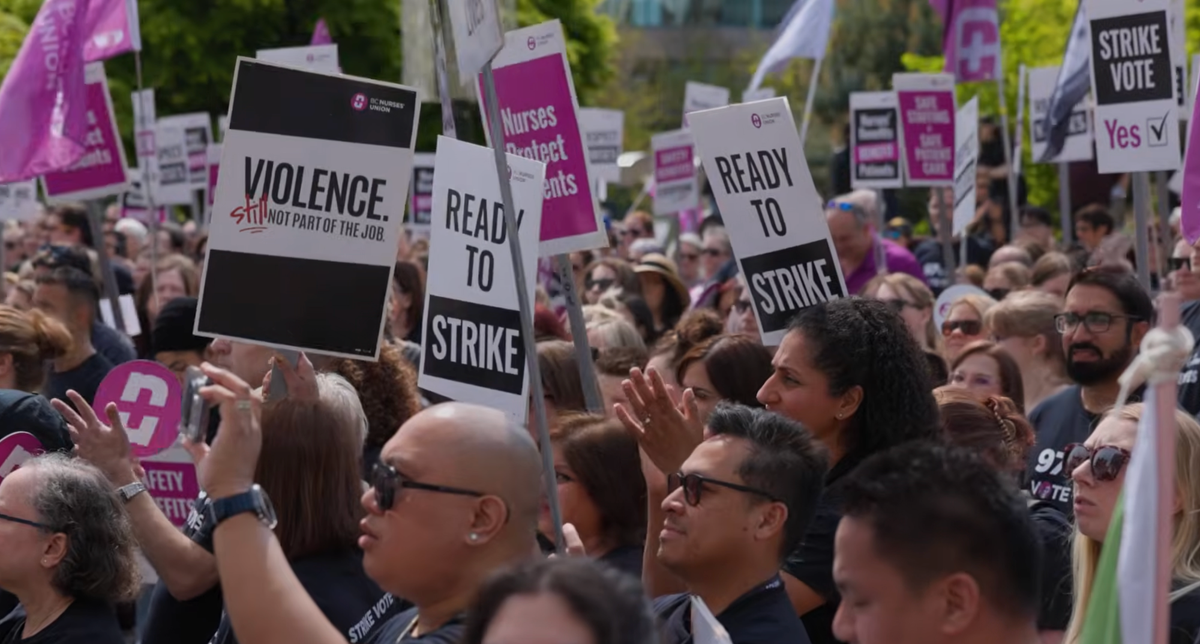
Nurses began job action on July 2 after rejecting a tentative agreement, raising concerns about unsafe workloads, workplace violence, and compensation.
 Jarryd Jäger
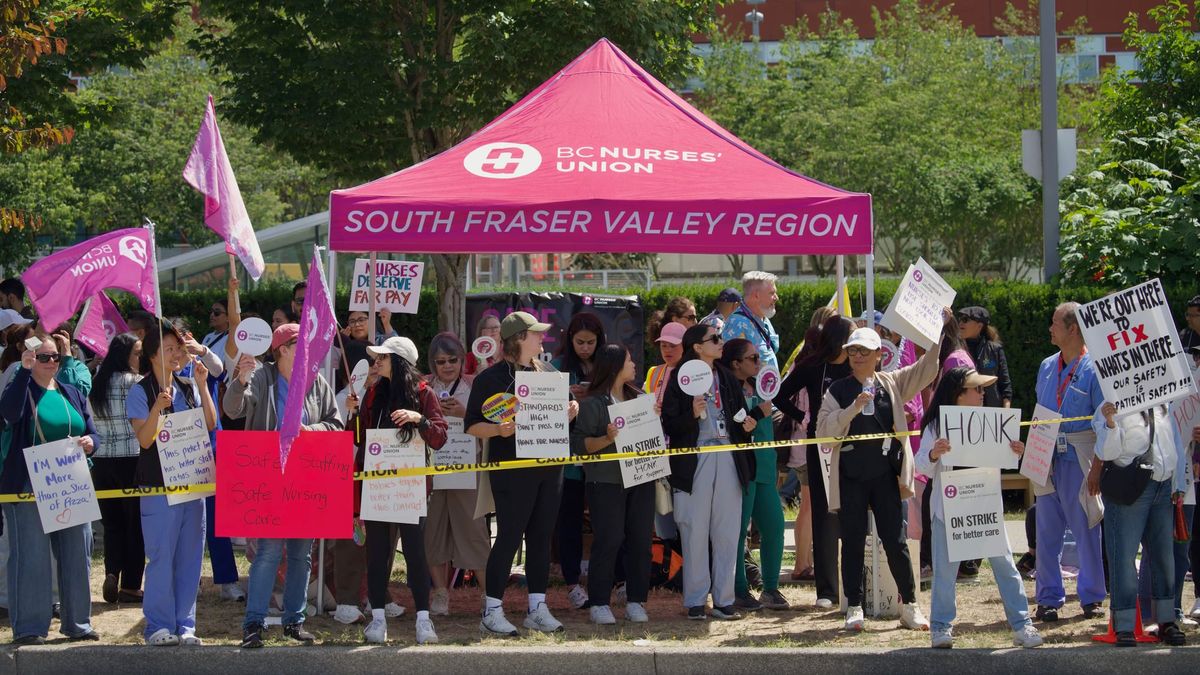
On July 10, then-labour minister Jennifer Whiteside appointed special mediators Amanda Rogers and Vince Ready to help resolve the dispute between the NBA and the Health Employers Association of BC.
According to the BCNU, the NBA agreed to binding arbitration following recommendations from the special mediators after the previous David Eby government refused to move beyond its provincial bargaining mandate.
Throughout the arbitration process, the NBA presented evidence of BC’s nursing shortage, rising living costs, and the need for improved compensation to recruit and retain nurses.
“Unfortunately, the arbitrators did not award the broader increases nurses sought,” the union said in the bulletin.
While the BCNU acknowledged that changes to the wage grid recognize recruitment and retention concerns, it says the adjustments do not go far enough to address the scale of the province’s nursing shortage or the pressures facing its health care system.
Both parties also agreed to recommendations for a Ministry of Health review aimed at increasing the time nurses spend providing patient care and a study examining workplace violence and measures to improve health care worker safety.
The BCNU will hold virtual town halls on November 26 and 27 to provide members with further details on the revised wage grid, hourly rates, and implementation timelines.