

The BC Greens have unveiled their plan to facilitate British Columbians transition to renewable energy.
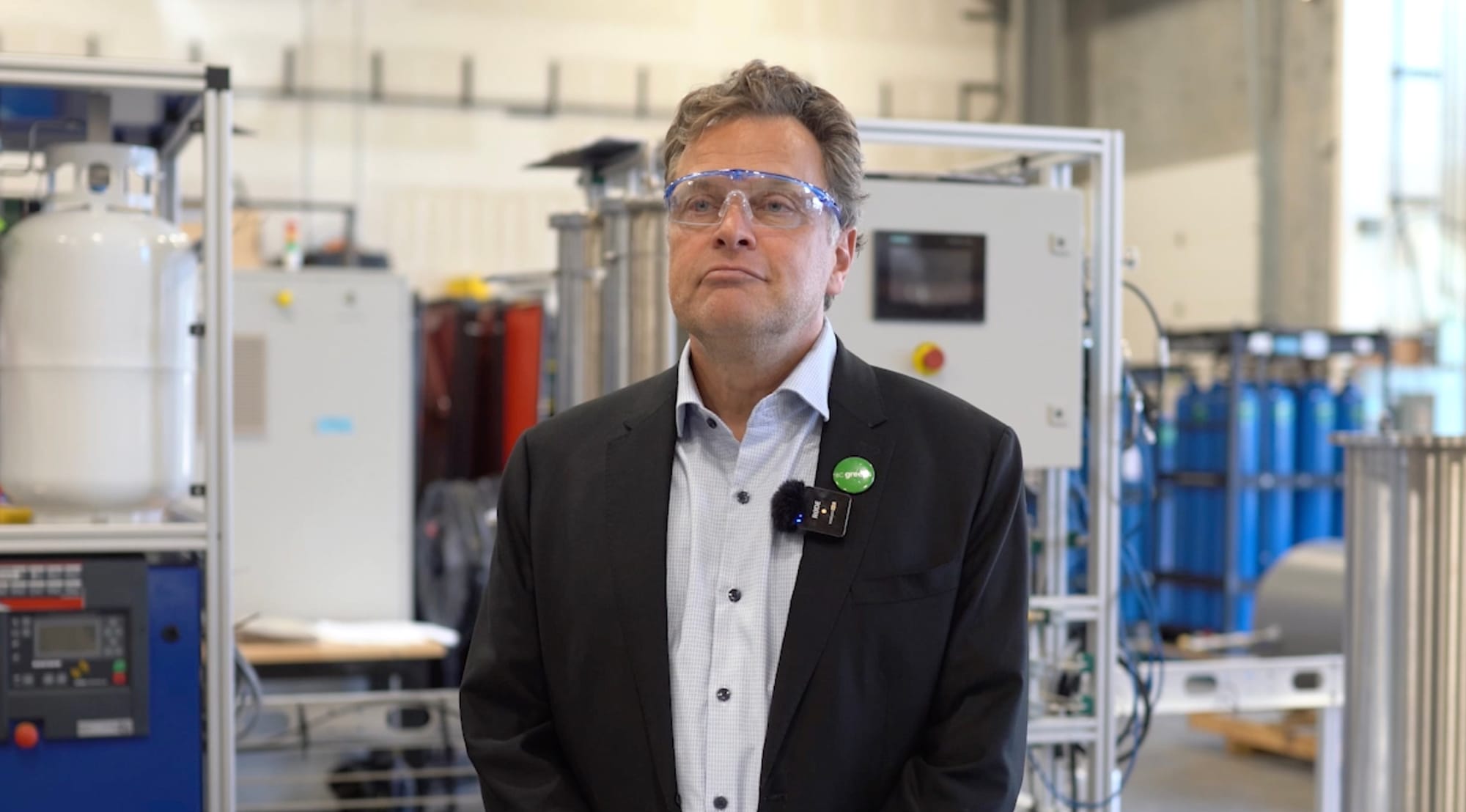
West Vancouver-Sea to Sky candidate Jeremy Valeriote argued that the province "has an opportunity to become a global leader in clean energy while reducing costs for households and businesses."
The plan is comprised of four parts, the first being a commitment to ram up BC's electricity production via solar, wind, and batteries, and efficiently upgraded existing hydroelectric dams so it can supply at least 35% of our total energy needs by 2035 — a 20% increase.
Another key element is ensuring residents have the ability to set up renewable electricity infrastructure on their properties. The party said it would legalize certified plug-in balcony solar and create a province-wide streamlined approval system for standard rooftop solar and battery systems.
In addition, they would create low-cost on-bill financing options for solar, batteries and electrical upgrades, and require BC Hydro to "treat household solar, batteries, electric vehicles and flexible
demand as core parts of the electricity system, and fairly pay customers when their
equipment supplies power or helps manage the grid."
The BC Greens also vowed to create a Community Energy Project Office to make it easier for local governments, First Nations, cooperatives, strata corporations, and community organizations to develop and finance local renewable energy projects, and modernize the grid via reform of the Utilities Commission Act to allow the BCUC to "approve investments ahead of demand and must consider BC’s climate and electrification goals alongside affordability and reliability."
The BC Greens have criticized BC’s fossil fuel industry for being largely controlled by foreign multi-nationals.
— Sitka Media (@sitkamedia) October 16, 2026
Sitka Media’s @JarrydJaeger asked Jeremy Valeriote how his party would ensure that doesn’t happen with renewable energy projects.
Here’s his response 👇 pic.twitter.com/iXz4ZNIiOG
The BC Greens have criticized the province's fossil fuel industry for being largely controlled by foreign multi-national corporations. When asked by Sitka Media how his party would ensure that doesn't happen with renewable energy projects, Valeriote pointed to the locally-focused nature of the technology.
"These small home installations are something that we can do in BC," he said. "We don't need large manufacturers to bring that market in. They're small capital projects — it's not a huge injection of capital that only multi-nationals can make."
He noted that the plan fits into the BC Greens' regional economy strategy, which centres around "isolating the economy down to something that British Columbians can be part of rather than having to invite multi-nationals in."