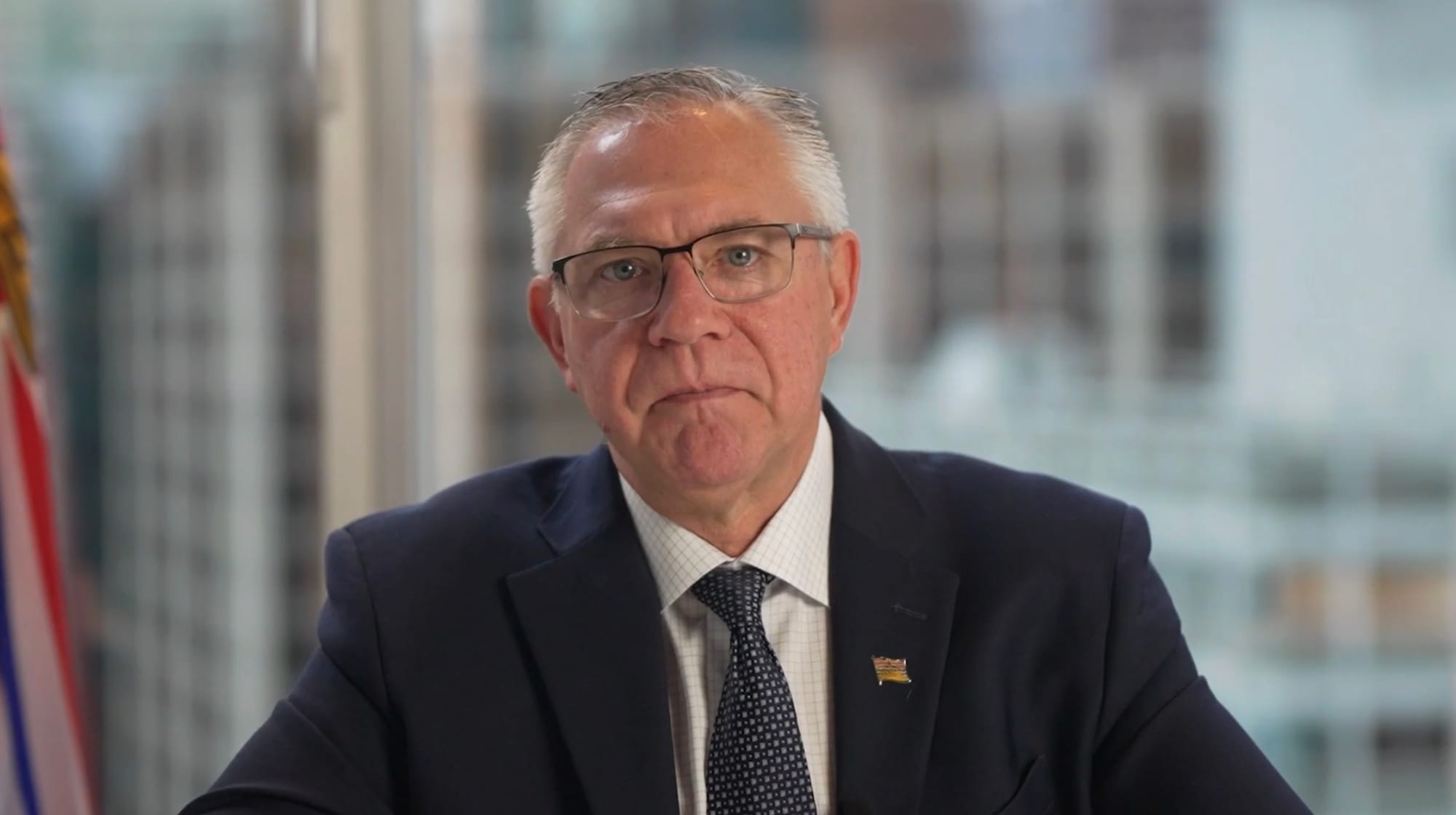



The Canadian Taxpayers Federation is criticizing the BC government’s latest fiscal update, arguing higher spending is pushing up the province’s deficit despite stronger-than-expected revenues.
BC’s first quarterly report, released Monday, projects a $13.8-billion deficit for 2026-27, about $450 million higher than forecast in February’s budget. Government revenue is now expected to reach $86.3 billion, $789 million above budget, while expenses are forecast to be $1.2 billion higher.
CTF BC Director Carson Binda said the numbers show the province needs to rein in spending.
"The government found hundreds of millions extra and is still blowing past its budget," Binda said. "BC doesn’t have a revenue problem, we have a problem with a government that spends money faster than it makes it."
CTF’s BC Director @BindaCarson weighs in on BC’s latest fiscal update, warning about higher spending, a growing deficit and rising debt-interest costs:
— Sitka Media (@sitkamedia) September 16, 2026
“We are spending $6.6 billion on interest charges on the provincial debt alone.”#bcpoli pic.twitter.com/QeG01H9zGv
The province says much of the additional spending comes from costs that have risen since the budget was introduced. Fire-management expenses are forecast to be $614 million higher, while refundable tax credits are expected to cost an additional $458 million.
 Leda Omid
The Taxpayers Federation also raised concerns about the cost of servicing BC’s debt. It said interest charges are expected to total about $6.6 billion this year, though the province’s quarterly report says debt-servicing costs are actually forecast to come in $27 million below budget because of lower capital borrowing requirements.
Total provincial debt is forecast to reach $180.9 billion by the end of the fiscal year, $2.5 billion lower than projected in Budget 2026. Taxpayer-supported debt is forecast at $141.1 billion, also below the budget projection.
Finance Minister Josie Osborne said the province is navigating US tariffs and global economic uncertainty while continuing to fund public services and infrastructure.
“We continue to work with the federal government to protect the services people rely on and build a stronger, more self-reliant economy,” Osborne said.
BC’s economy is now forecast to grow by 0.9% in 2026, before increasing to 1.9% in 2027.