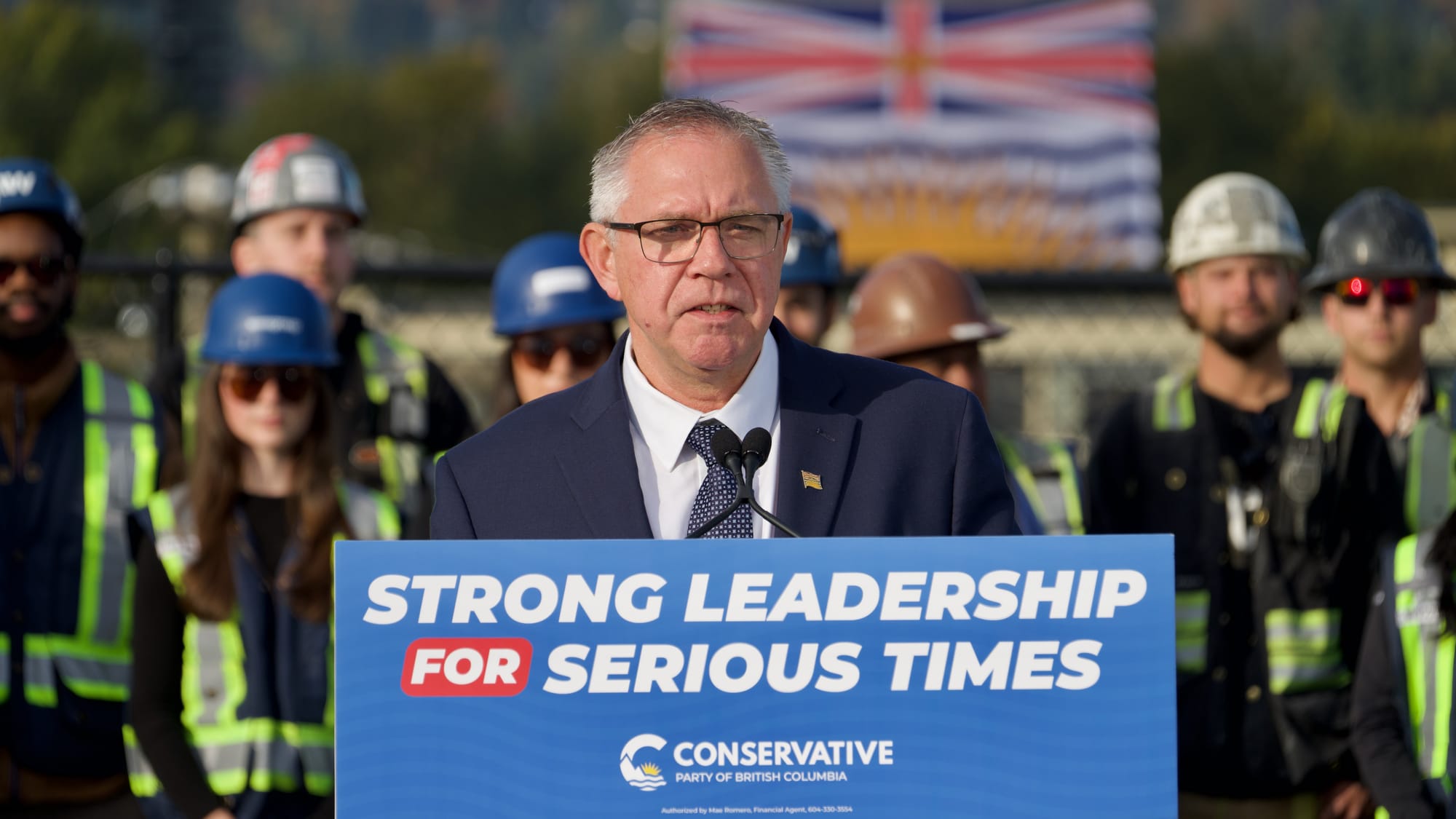

British Columbia’s new Conservative majority, led by Premier-designate Lorne Doerkson, has placed the repeal of the Declaration on the Rights of Indigenous Peoples Act at the centre of its agenda.
Passed unanimously in 2019, DRIPA committed the province to aligning its laws with the United Nations Declaration on the Rights of Indigenous Peoples. Courts have since treated that commitment as legally meaningful — most notably in the Gitxaala decision on mineral claims — producing the very uncertainty the Conservatives campaigned against.
First Nations leadership has warned that repeal risks “battleground BC.” Doerkson has responded that he remains committed to partnerships built on respect and friendship, while insisting DRIPA itself has created more problems than it solved.
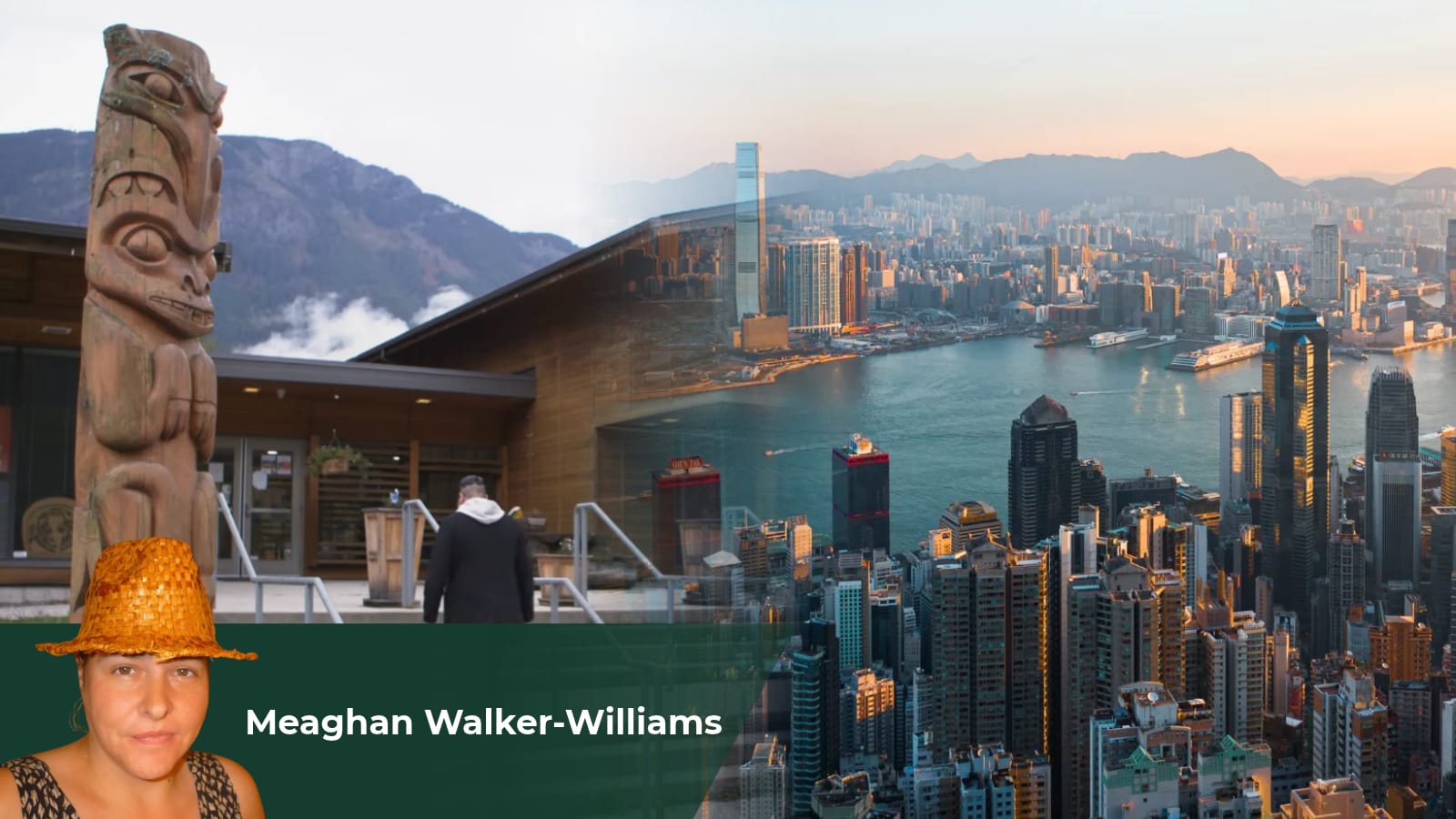
Repeal removes one layer of legal fog. It does not, by itself, supply a positive economic alternative that First Nations communities can embrace. That alternative has existed for decades in a simple idea: turn interested Indian reserves into mini Hong Kongs — low-tax free-trade zones open to everyone who wants to do business, shop, invest, or develop there.
Twenty-five years ago the parallel was already clear. Members of First Nations control substantial land and resources yet, on average, remain massively unemployed and dependent. Hong Kong, a barren rock in legal limbo — sort of British, sort of Chinese — could have become a garbage dump. In half a century, however, it became richer per capita than Britain.
Un-treatied First Nations in British Columbia occupy a comparable legal limbo: not fully integrated under ordinary Canadian tax and regulatory rules, yet not independent states. After generations of political management that treated reserves as problems to be administered rather than opportunities to be unlocked, many remain economically barren. The logical response is the same one that worked for Hong Kong: let them become the places where other people trade.
A First Nation that never signed a treaty can assert, under sections 25 and 35 of the Constitution, the right to engage in free trade with other nations and with Canadians. On its reserve, residents and visitors would face no ordinary Canadian taxation. Businesses seeking that environment would be welcome. The niches that respond to low-tax certainty are predictable: financial services and foreign banking, tourism (including medical) and hospitality, light manufacturing, software and technology (including biotech), imports of raw materials, and entertainment.
Every participating business would do three things. It would grant modest equity to individual band members so that local people have a direct stake in success. It would provide culturally appropriate employment and training and hire a percentage of First Nations workers. And a portion of its dividends would flow into a perpetual trust, modelled on the Alaska Permanent Fund, distributed to all band members and designed to reduce dependence on government transfers. Federal and provincial governments would have a concrete incentive to co-operate: lower future transfer costs and rising surrounding land values.
The model does not grant any group special privileges denied to others. Non-First Nations Canadians and international investors are explicitly invited. The Hong Kong and similar free zones succeed precisely because they are open to all entrepreneurs and investors from around the world.
Reserves become magnets for capital, lease values and surrounding property values rise, skills and employment spread, and Canada’s broader economy gains from activity that would otherwise occur elsewhere. Non-native BC can retain whatever mixed economy it prefers while enjoying free-market enclaves in its backyard — the same dynamic that let Hong Kong lift its neighbours.
This is not a race rights-based veto framework. It is an economic-autonomy framework. It sidesteps the consent and alignment disputes that have slowed mining, forestry, and major projects under DRIPA while giving First Nations real control over land use, leasing, and the capture of value. It aligns with the BC Conservatives’ stated preference for direct partnerships, faster permitting, and economic reconciliation over ideological overlays.
Pilots on willing reserves — especially those near markets or resource corridors — could begin with existing tools: section 87 of the Indian Act for status Indians, band property-tax powers under the First Nations Fiscal Management Act or Indian Act section 83 for non-member leaseholders, and provincial agreements that vacate or reduce tax on commercial activity inside the zones. Federal co-operation on income-tax treatment would complete the package. Legal hurdles exist; they are solvable through agreements rather than new constitutional litigation.
Critics will raise fairness, leakage, and governance questions. Those are manageable with clear geographic boundaries, reporting, time limits or performance conditions, and band-level rules that apply equally. The status quo — prolonged court-driven uncertainty or pure confrontation after repeal — has already demonstrated its costs in delayed investment and capital flight.
The BC Conservative victory creates an opening. Doerkson has pledged partnerships and economic growth. In his victory speech, he specifically asked those people who were not in the room with him to call if they had good ideas to share and he promised we would be listened to.
Offering mini Hong Kongs supplies a concrete, outside-the-box proposal that First Nations can evaluate on its economic merits rather than as a rollback of rights. It turns the legal limbo that has produced poverty into the same kind of limbo that produced Hong Kong’s prosperity.
Twenty-five years later the idea remains as practical as it was then — and the political moment is finally right to try it.
Meaghan Walker-Williams is a Coast Salish writer, poet, mother, and cedar weaver based in Victoria.