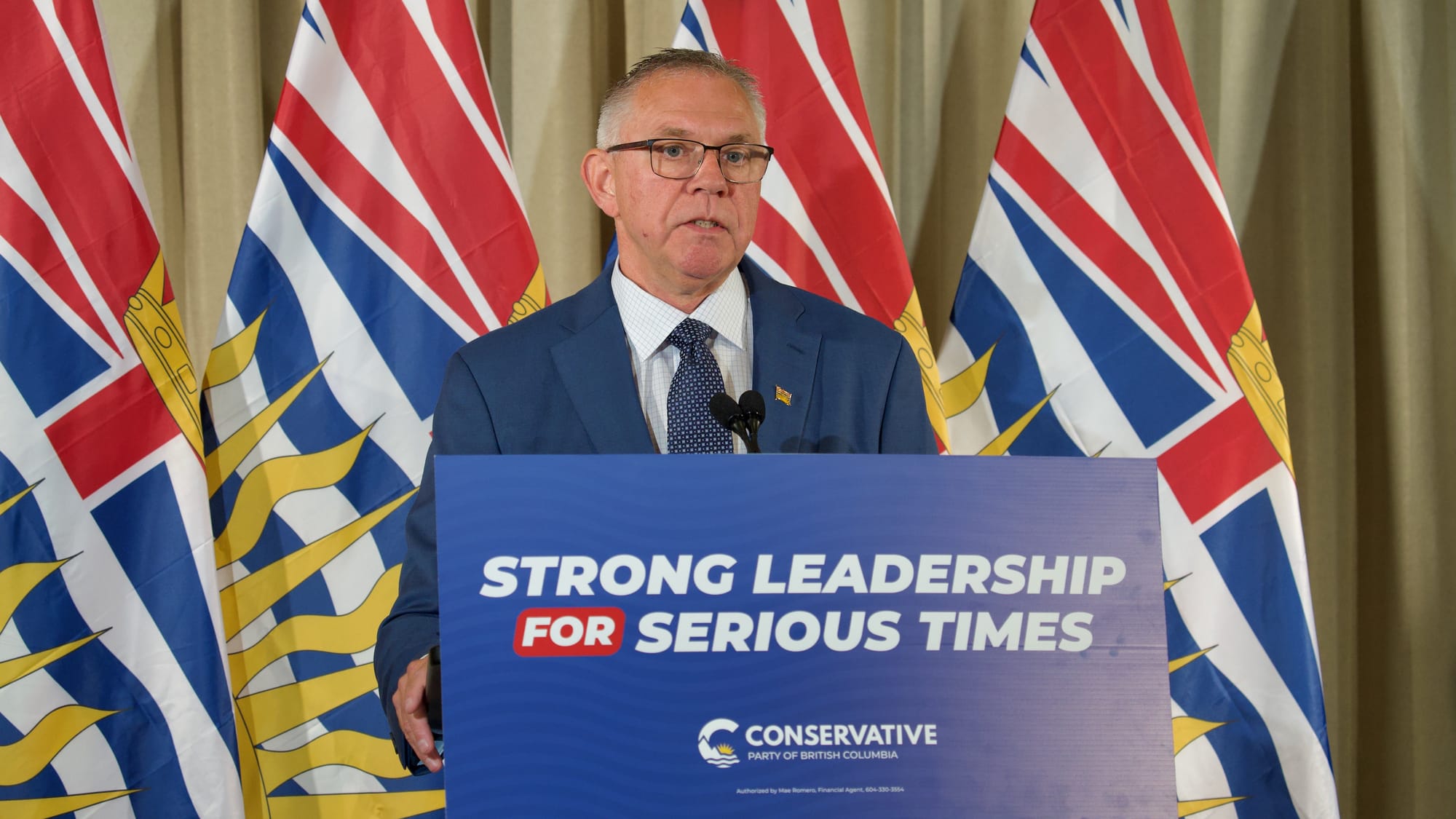

Incumbent MLA: Scott McInnis (BC Conservative | 2024)
Candidates:
BC NDP: Andrea Dunlop
BC Conservatives: Scott McInnis
BC Greens: Rana Nelson
2024 Results:
BC Conservatives - 47.9%
BC NDP - 44.3%
BC Greens - 7.8%
Tucked away just west of the Rocky Mountains, Columbia River-Revelstoke might come as an unexpected entry on the list of battlegrounds. Held by the New Democrats for much of their 21st century spell in the Opposition, the riding flipped to the BC Liberals in 2017 due to internal strife in the local BC NDP organization as well as a concerted effort from Christy Clark to court the Interior.
Despite the Conservative wave in the Interior in 2024, however, the margin here actually shrunk from a healthy 11% win for the BC Liberals to a narrow 4% win for the BC Conservatives.
Part of that is attributable to the strength of the previous MLA to hold the riding - Doug Clovechok. With decades of experience in higher education, Clovechok put down solid local roots as the campus manager of the Invermere and Kimberely branches of the College of the Rockies.
When Clovechok retired, he openly welcomed the nomination of Kimberley teacher Scott McInnis. Thanks to the lobbying work of Clovechok and others, McInnis became one of the few BC United candidates to survive Kevin Falcon’s shutdown of the party and continue their candidacy as a Conservative.
It will be a rematch for McInnis, who is once again facing off against the NDP’s Andrea Dunlop. Like McInnis, she is also a teacher, though she hails from the community of Windermere instead. Rounding out the candidates is Revelstoke local Rana Nelson of the Greens, who is also a teacher as well.
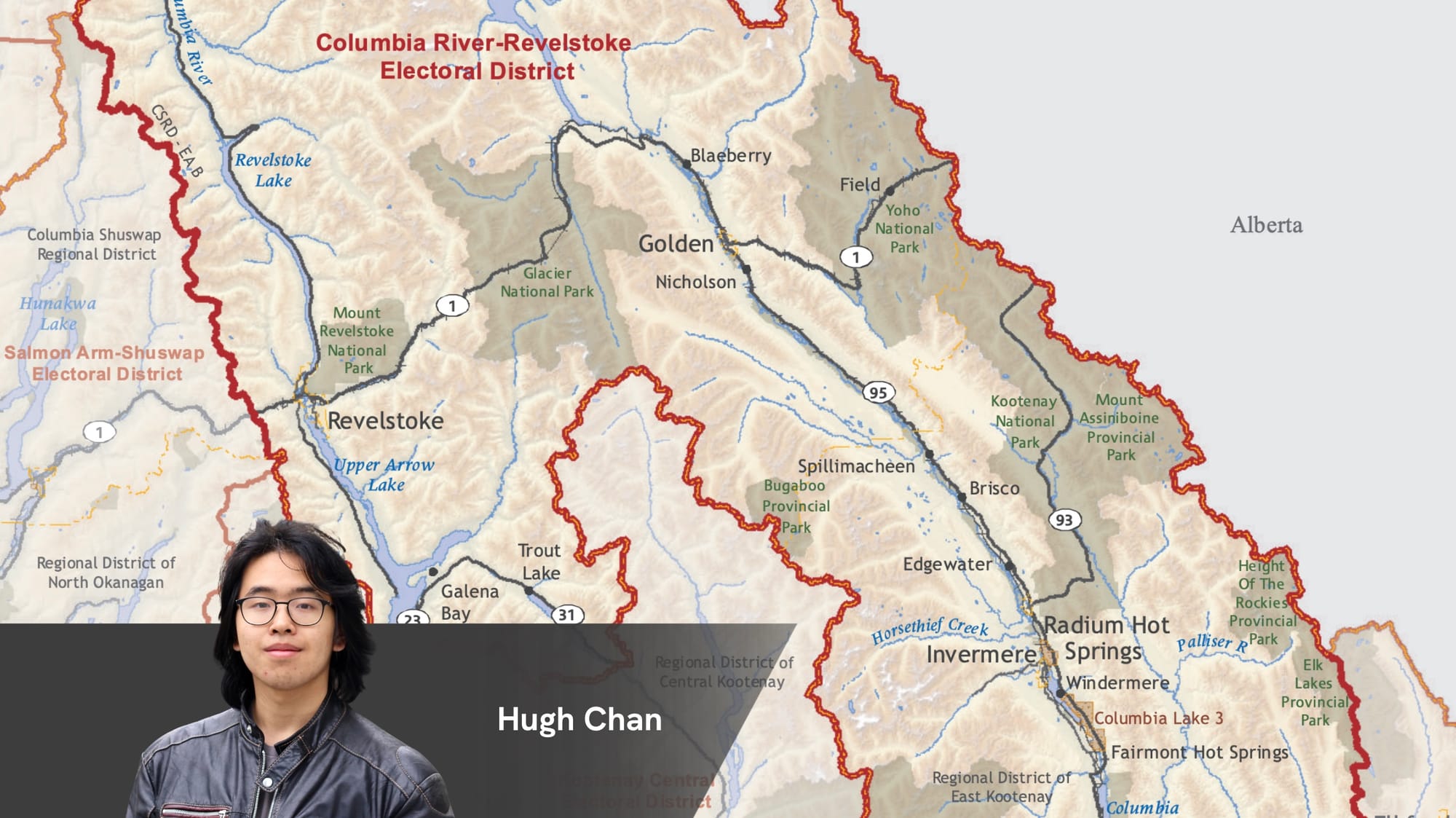
The riding is made up of a smattering of communities all across southeastern BC. In the riding’s northwest corner, you have the City of Revelstoke, which leans more to the left. Once a mighty forestry town and railway hub, Revy, as it is colloquially known by its residents, has transitioned fairly successfully towards becoming a tourist town. Further accelerating its leftward shift is the influx of remote white-collar workers post-COVID, bolstered by the City’s investments into high-speed internet.
To its east and south are a smattering of communities along the Kootenay-Columbia Highway, which itself follows bodies of water like the Kootenay River and Lake Columbia. The town of Golden sits close to the top of this conglomeration, and was once the strongest community in the riding for the New Democrats, thanks to former NDP MLA Norm MacDonald living and teaching around there. However, the railway and resource town has maintained its blue-collar industries such as forestry, and union workers there have shifted to the right.
Further down the Highway, Invermere functions as the primary service town for much of the Upper Columbia Valley, covering the communities that sit between Golden to the north and Kimberley to the south such as Radium Hot Springs and Edgewater.
Given its location southwest from Calgary on the Trans-Canada, some Albertan residents who choose to go there for recreation sometimes also settle there later, bringing their right-wing leanings with them.
Finally, the city of Kimberley is closely split between the left and right. Once home to the Sullivan Mine, Kimberley made sure to nurture its tourism industry with ski resorts and mountain biking networks, thus conducting a fairly successful transition with industry like Revelstoke.
All together, the riding tilts towards the right. McInnis will be hoping his two years as MLA will be enough to narrow the margins in Revelstoke and Kimberley, while Dunlop will need to close the gap in Invermere and Windermere to have a shot. Nelson will have a key role to play as well, as the Green message may resonate more in tourist towns like Revelstoke and Kimberley. Watch this riding to see if the BC NDP has even greater room to fall in the Interior than 2024.
Hugh Chan is an International Relations student at the University of British Columbia who sometimes moonlights as a political reporter.