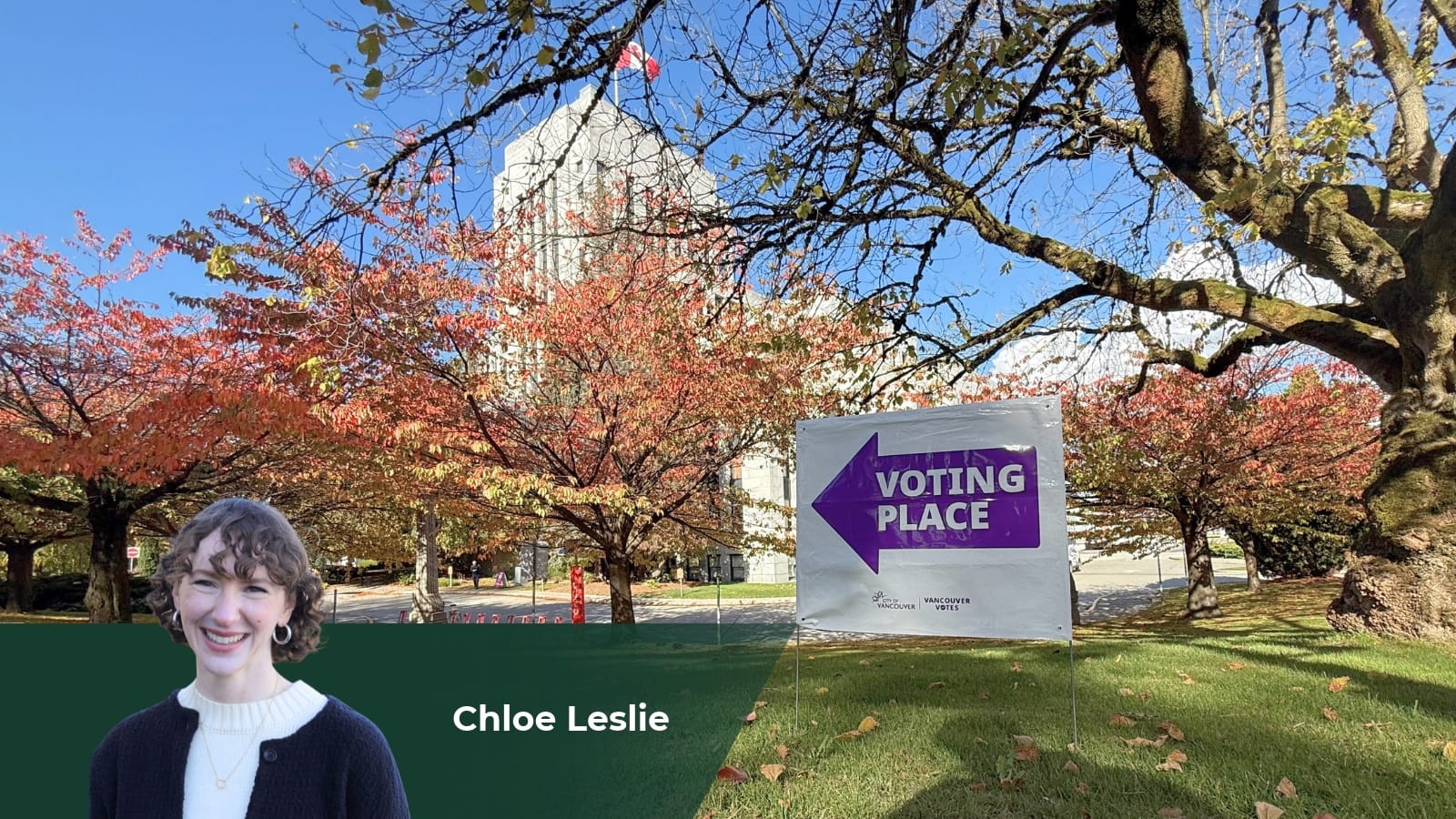

On October 17 in Vancouver, and again on October 24 across BC, we saw what happens when political parties abandon their principles to chase the centre.
Throughout Vancouver's municipal election, most of the centrist/moderate parties, and even the ostensibly progressive ones, seemed more concerned with not offending certain voters than standing up for what they believed in. They avoided "controversial" issues, watered down their positions, and pandered to people who were never going to vote for them anyway.
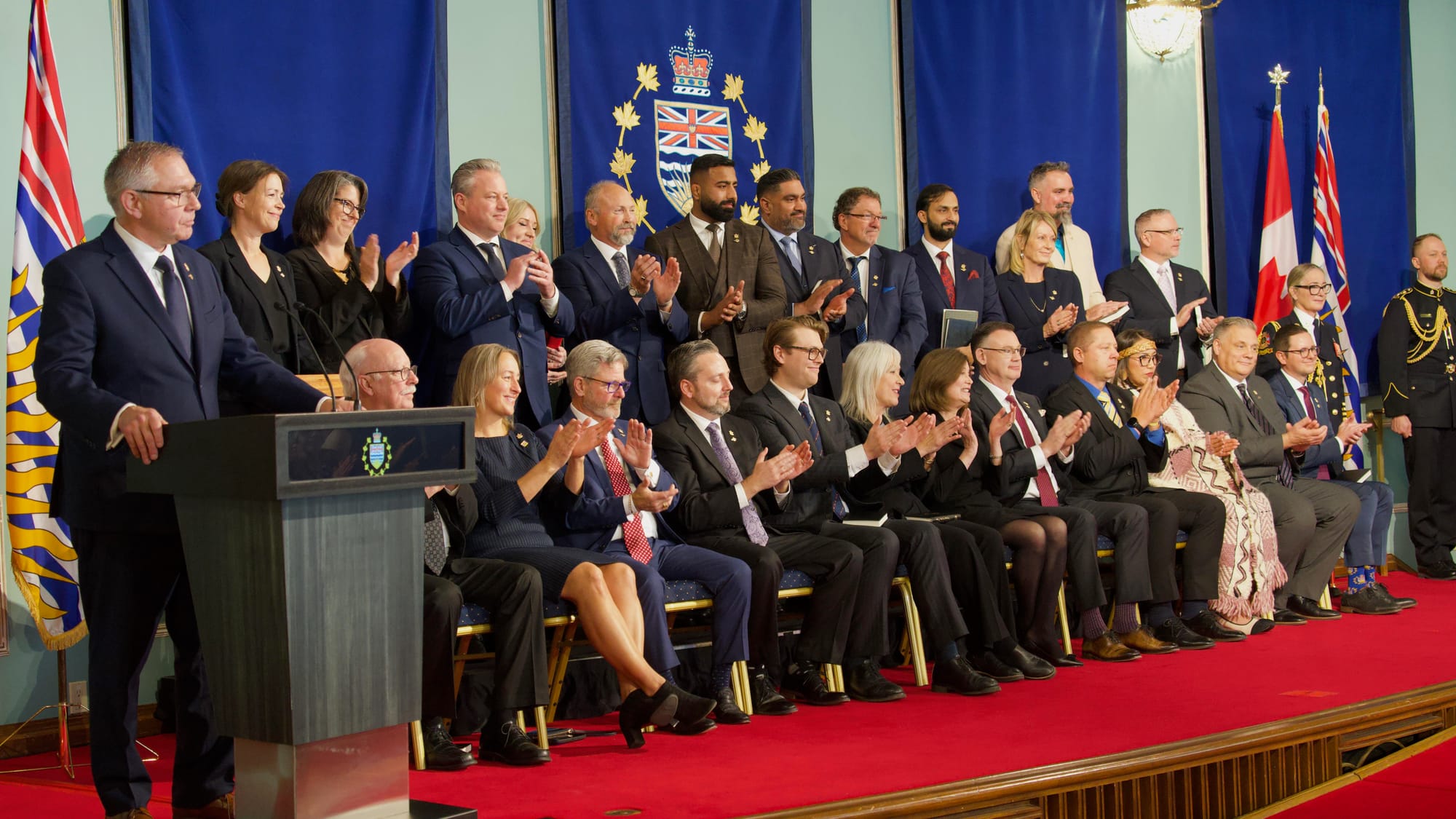
We saw a similar pattern at the provincial level. The BC NDP has spent the last nine years delivering policies that have improved the lives of thousands of British Columbians — but under David Eby, we've also seen cuts to community housing funding, continued support for LNG, a refusal to implement vacancy control, and disability assistance rules that penalize people based on their partner's income.
The public deserves to know what you stand for. When a party brings forward historic and admirable legislation like the Declaration on the Rights of Indigenous Peoples Act (DRIPA), but then participates in political messaging that misrepresents that same legislation, it puts voters in a contradictory position. You cannot expect people to trust your commitments if you won't stand behind them when doing so becomes politically difficult.
Something that I think gets lost in these conversations about electoral strategy is that progressive voters aren't just voters. They're also your volunteers, organizers, donors, and biggest advocates. They're the people knocking on doors, talking to their neighbours, sharing your message, and building the movement that gets you elected.
When you abandon your principles to appeal to people on the right, you risk losing the very people who are doing the work to bring others into your movement. Bringing your supporters into platform development, listening to their priorities, and giving them something they genuinely believe in is not separate from winning elections. It's a central part of building lasting political support.
Throughout my own campaign, I received a lot of criticism for speaking openly about my values — especially on issues that couldn't necessarily be solved within municipal jurisdiction. I talked about how the private market will never solve the housing crisis on its own, how we need to tax extreme wealth, and how private equity continues to drive displacement and homelessness. I said that every billionaire is a policy failure, that sex work is work, and that trans lives matter.
Looking back, I'm incredibly glad I didn't let that criticism stop me from speaking about the things that matter to me. Just because City Hall can't solve every injustice doesn't mean we should be silent about it. People deserve to know what their elected representatives believe, not just what they think they can get passed at the next council meeting.
The word "radical" was thrown around a lot during this campaign, often by fellow progressives who used it to dismiss or patronize our ambitions. I found that particularly disappointing. Too often, accusations of radicalism become a way to avoid having to defend a lack of political courage.
There is nothing radical about believing everyone deserves a home, that extreme wealth should be taxed, or that marginalized people deserve dignity and safety. These are questions of doing the right thing, telling the truth about the systems that are failing people, and having the courage to act on what we know.
It has been a gift to be part of a party with so much moral clarity. COPE has spent decades standing in solidarity with working people, even when those positions were unpopular, and we didn't abandon that history to make ourselves more palatable during an election.
I believe our historic victory showed that people were looking for candidates who actually believed in something and weren't afraid to say it. Our campaign was built by people who saw their values reflected in ours, who helped shape what we stood for, and who worked incredibly hard to bring that vision to their neighbours.
There will always be pressure to soften our politics, avoid difficult conversations, and make ourselves acceptable to people who may never support us. But I hope these elections lead to a serious conversation about what progressive leadership should look like.
We need leaders who tell the truth about inequality, who involve people in building their platforms and movements, and who are willing to do the right thing even when it isn't politically convenient. Abandoning progressive principles is not the path to electoral success. We should be giving people something worth believing in — not asking them to settle for less.
Chloe Leslie is a newly elected Vancouver City Councillor with the Coalition of Progressive Electors. Before being elected, she spent years working in food security, sustainability, and poverty reduction. She’s also a proud labour activist and community organizer who believes in the power of collective action. Chloe is committed to fighting for affordable housing, stronger public services, climate justice, and a Vancouver that puts working people first.