


The BC government recently announced it was rolling back its zero-emission vehicle sales mandate, but it completely misses the mark on a proper strategy for EV adoption.
The government plans to introduce legislation this fall to reduce the requirement that 100% of cars be zero-emission by 2035 to 75%. In my view, this mandate should not exist at all, and I encourage the government to completely overhaul their EV strategy to accommodate the remote communities in the province that stand to be hit the hardest by these requirements.
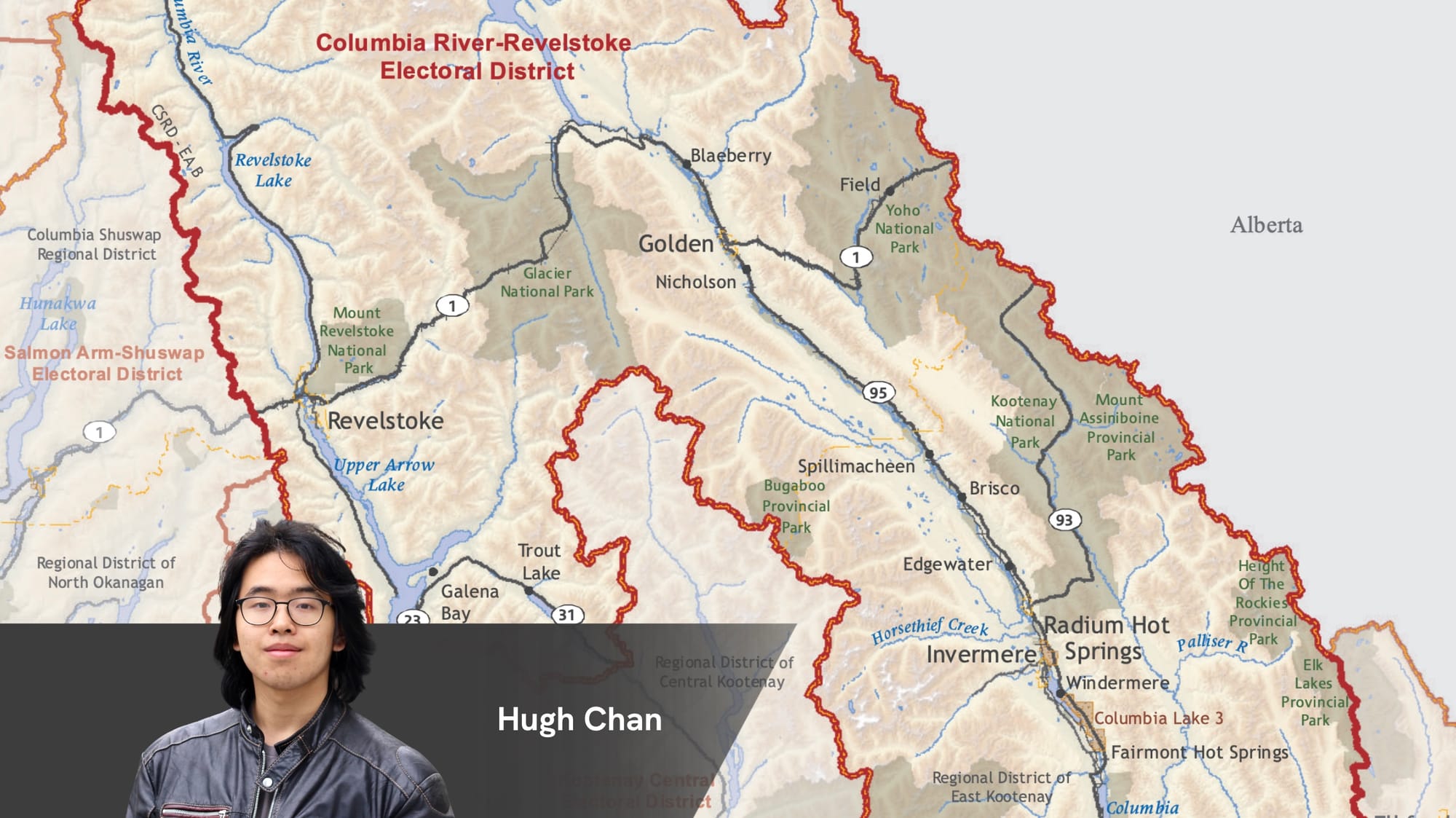
One of the main motivations for the mandate is to reduce emissions. In BC, transportation accounts for roughly 42% of the emissions budget. However, mandates do not facilitate a collaborative approach; the BC government’s EV mandate, until amended in the legislature, prohibits the sale of gas-powered cars by 2035. The prohibition of gas-powered car sales presents a problem particularly in remote communities of the province on account of EV range and charger coverage.
With a province this vast, and communities spread out in every corner, it should not be lost on the government that implementing a mandate would not be appropriate without ensuring that EVs can reach these communities.
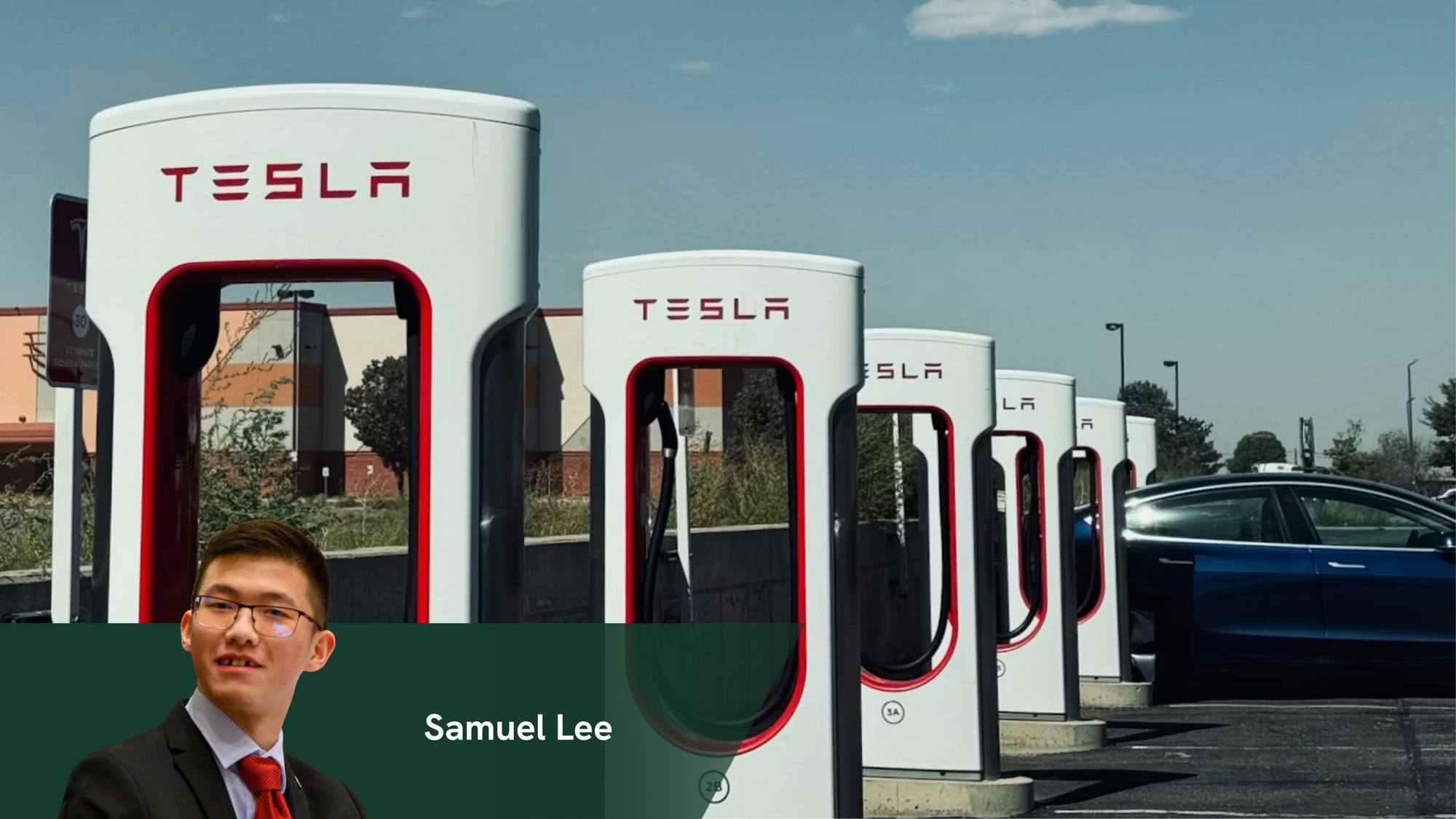
In a 2024 survey, the Canadian Automobile Association found that most EV owners say the availability of public charging stations is less than satisfactory, especially outside cities. Gaps in charging stations critically undermine the effectiveness and viability of a mandate.
With BC in a position where remote communities have less access to charging stations, it would not be sensible for the government to continue with a mandate without any alterations in its strategy to ensure the province has full coverage.
Even with a plan to have full charger coverage, a mandate should not be in place. EVs are much more commonplace in urban centres, and I would agree that it is more practical to have an EV there than in remote communities. The government should not be pushing an urban-centric concept on rural communities; instead, let people decide what works best for them and focus instead on delivering suitable charger coverage to the entire province.
I don’t see the mandate to be a bad policy in principle, and I think it has its merits and benefits, such as pushing the province further in reducing emissions. Moreover, these sorts of mandates have proven to be effective in their goals of reducing emissions and ushering in greater EV sales and use.
The goals of the EV mandate are commendable, and I would imagine most people don’t have a problem with them, but the issue is the implementation of such a mandate demands the presence of a charging station network that enables full EV coverage. This is the issue the government has left unaddressed, and the lack of conversation or enhancement of their efforts to close gaps in coverage speaks like a deafening silence.
I would hope that before the government introduces amendments to its EV mandate in the fall, they take a long and hard look at the plan as it stands, recognize the root causes of their problems, and take meaningful steps to ensure the province has what it needs to support full EV coverage.
To me, it's clear; this province needs chargers, not mandates.
Samuel Lee is a research analyst at Black Ink Advisory and an Environmental Science and Political Science student at Simon Fraser University, where he serves as president of the SFU Conservatives.