

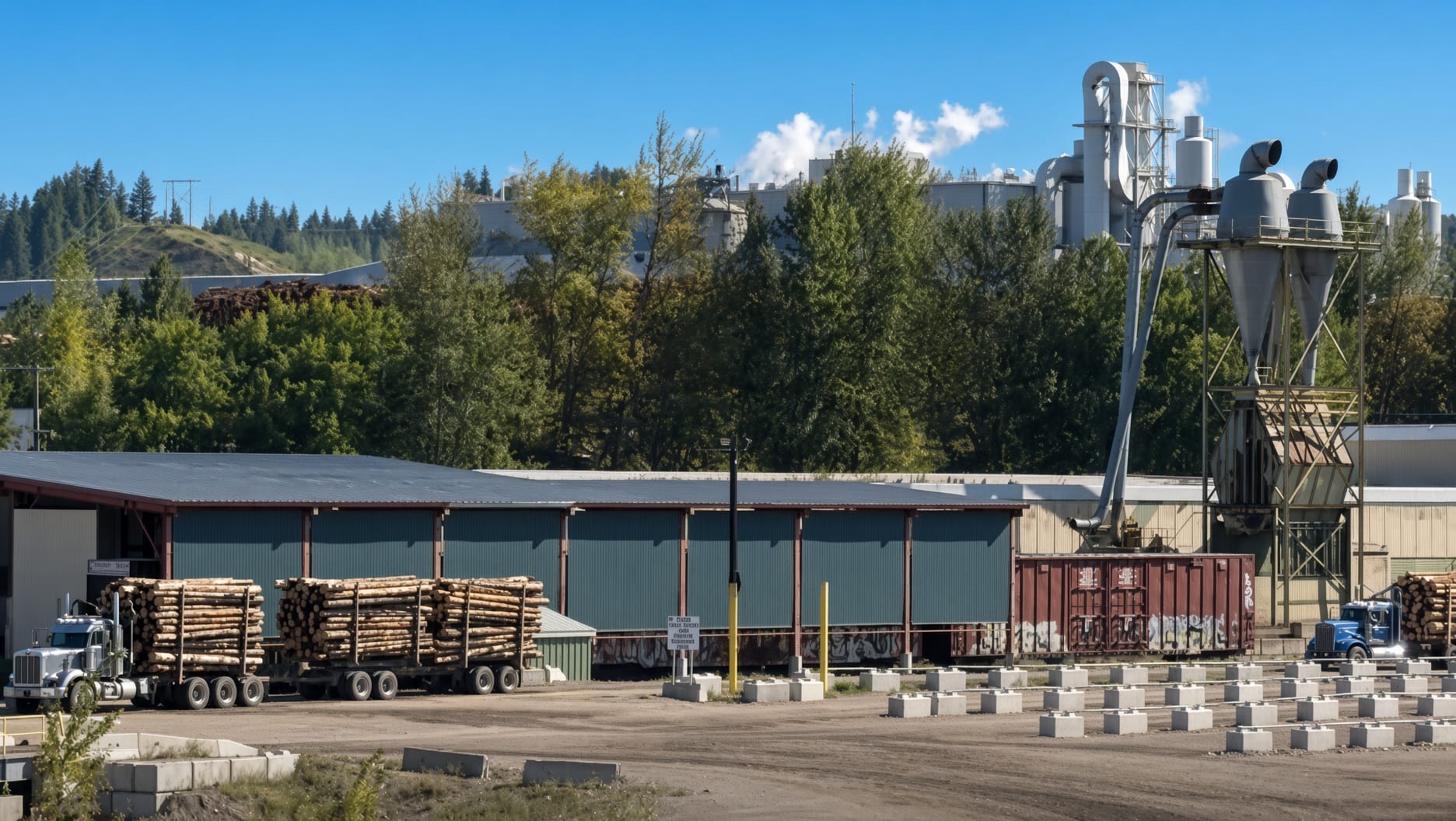
For years now, mills have been closing or reducing operations across British Columbia.
While the impacts at a local level are clear, what many don't realize is that because BC is built on forestry, the shuttering of a facility in one part of the province can have far-reaching consequences.
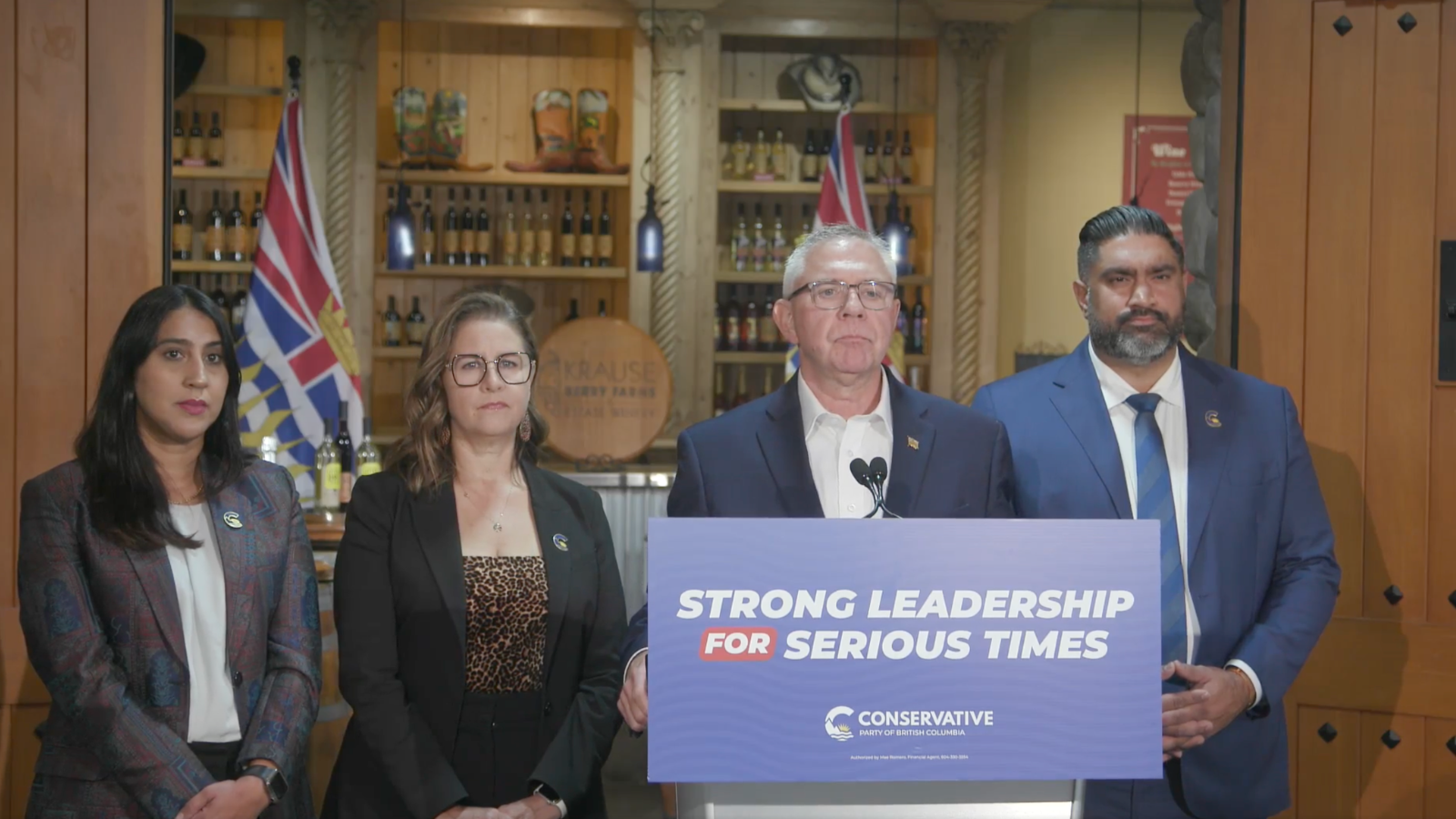
In an interview with Sitka Media following Millar Western Forest Products Ltd.'s announcement that operations at the Quesnel River Pulp mill will be curtailed, MLA and BC Conservative Forestry Critic Ward Stamer warned that such moves "affect everybody."
"We're all interconnected," he explained. "There's people in other regions of the province that may not have forestry as their primary industry driver for their communities, but it affects everybody in British Columbia."
Stamer pointed out that in 2021, the forest sector contributed $1.9 billion directly to the provincial revenue, and that in 2025, it shrunk to $500 million.
"It's incredibly disappointing," he said of the curtailment. "We're still having challenges with getting access to the fibre in a timely fashion ... and if a pulp mill goes down, that makes it even more difficult for the sawmills because what are they supposed to do with their chips?"
Stamer predicted that there will be more shutdowns and curtailments, and that "once these pulp mills go down, sawmills will follow suit."
"In communities like Quesnel that are so dependent on these mills and the forestry sector, 100%, but also the Lower Mainland too, because we've got value-added facilities," he said. "Where do you think they get their dimensional lumber from? They get it from the primary manufacturers, whether it's Prince George or Quesnel or Williams Lake."
In a statement, Millar Western blamed "ongoing market challenges and the application of significant tariffs on Chinese exports" that have "led to a period of sustained weakened demand, poor pricing, and reduced order volumes."
Stamer argued that while those were no doubt part of the problem, blame could also be placed at the feet of the government.
"Once we get through this fire season, we've got a lot of area that we're going to have to try to salvage in a very short period of time," he said. "Otherwise, a lot of that wood will be absolutely worthless within six months to a year — and right now, the forest minister seems to think that 10% is a good number. Well, it isn't a good number. We should be doing at least 20%, if not more!"
Forests Minister Ravi Parmar told Sitka Media that he has met with Millar Western to "discuss potential paths forward for them and their workers" and has "made a commitment to continuing to work with the company on long term solutions and worker supports."
"It is immensely stressful for the impacted workers, their families and the community," he said. "Our forestry sector is under significant pressure, specifically the pulp sector."
Parmar went on to note that, as Millar Western outlined, "ongoing market changes pose a serious challenge, including US tariffs on products from China," and that, "combined with weak demand and poor pricing for pulp globally, these are some of the factors that led to this difficult decision."
Less than one month before announcing the curtailment, Millar Western received a $100 million loan from the federal government to help the company "navigate these challenging times for its industry, support its workers and help position the company for long-term success."
At the time, Natural Resources Minister Tim Hodgson said he was hopeful the funds could help Millar Western Forest Products "create good Canadian jobs."
The curtailment is set to last from September 4 to November 1, 2026.