

In 1961, President John F. Kennedy announced that by the end of the decade, the Americans would land a man on the moon. Eight years later, they did.
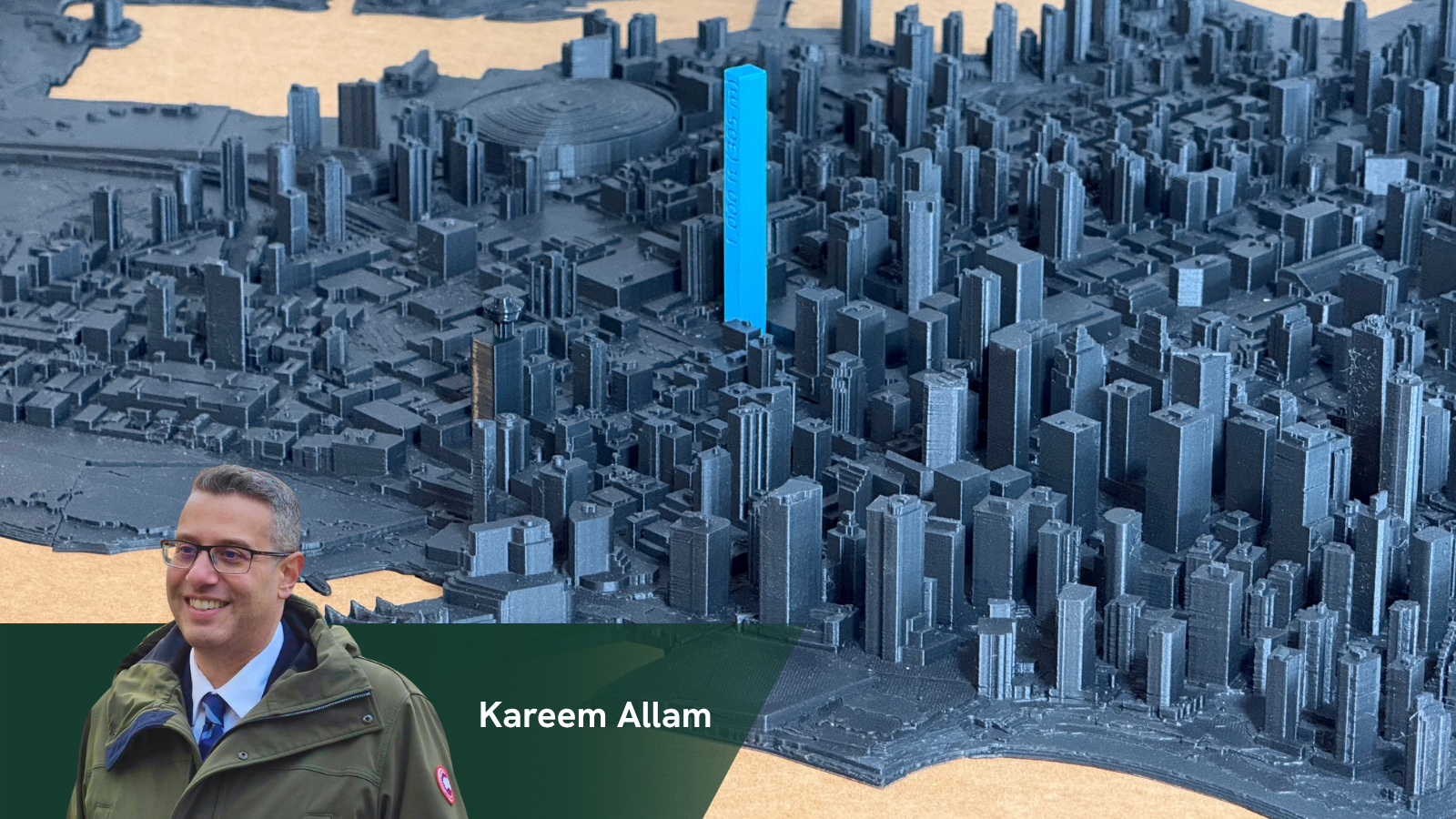
Eight years is also about the amount of time it takes to build one high-rise in Vancouver — the slowest place for housing approval on planet Earth.
That should be unacceptable to every policy maker, because the wait is not just extra paperwork, it’s extra cost.
Every additional month for a project brings more financing costs, more taxes, and rising prices for labour and materials. Many of those costs are eventually carried into rents and sale prices. Others contribute to decisions to delay or abandon housing altogether for private, public, and not-for-profit builders.
The result is a Vancouver where even more of the people who work here can’t afford to live here. Our housing crisis is also fuelling a growing jobs crisis, as companies flee Vancouver because their employees tell them they can no longer afford to live here. Time and delays is the part of the housing crisis we can control and fix as a city. And that is why I am running for mayor: to fix delays, reduce costs, and create jobs.
The work must begin with Vancouver’s separate building by-law.
Vancouver is unique in British Columbia because it has its own building rules. Although they are based on the provincial code, Vancouver-specific provisions have accumulated over time, adding extra steps to an already complicated approval process.
Each requirement may seem reasonable on its own, but together they create a system that is expensive, slow, and difficult to navigate. Local builders end up having to account for a different set of rules in Vancouver than in neighbouring municipalities.
We must replace Vancouver’s separate building by-law with the BC Building Code, which is used by all the other municipalities across the province. The provincial code already establishes comprehensive standards for safety, accessibility, energy efficiency and construction. Using one code gives builders consistent rules across municipal boundaries and removes an additional layer of interpretation and review.
The consequences of the current system are easy to measure. The Canadian Home Builders’ Association found that across the 23 municipalities it studied, Vancouver had the highest indirect costs for high-rise development, at $6,855 per unit for every month of delay.
Those costs include financing, property taxes, and rising construction expenses while a project waits. They don’t disappear when a permit is issued. The costs show up in our housing system and are shouldered by renters, buyers, young families, and workers deciding whether Vancouver still has room for them.
In June 2023, the ABC Council acknowledged the problem when it adopted the 3-3-3-1 targets. The promise was three days for a renovation, three weeks for a detached house, three months for a mid-rise, and one year for a tower.
Three years later, the city remains far from its own targets. City Hall reports that 92% of simple renovation permits are issued within three days. But single-detached homes were still taking 160 days in 2025, instead of the promised three weeks. Multi-family and mid-rise development permits were taking 9.8 months, rather than three, all the while making little progress in the pre-permitting negotiations that also added months and years to projects.
Success in one narrow permit category cannot disguise the wider failure. As a city, Vancouver has unnecessarily delayed timelines that impact our ability to deliver new homes that young people, workers, and families can actually live in.
Unfortunately, the building by-law is only part of the problem. Applications pass through multiple review groups that operate on separate timelines, raise concerns at different stages, and send applicants back through the same process, delaying permits. No one is clearly responsible for moving a project to the next stage.
City Hall has already shown what happens when that changes. In late 2024, Engineering Services began using agreements that set maximum review times. Across the first 600 applications, review times fell by 60%.
Other BC cities are moving in the same direction. Kelowna combines development and building permit reviews for eligible infill housing and aims to approve them within 10 days. West Kelowna and Surrey have introduced pre-reviewed designs, exemptions and simpler approval streams.
Vancouver does not need another study of the problem. It needs to adopt what works and apply it across the entire approval system.
The solution is placing housing approvals under one accountable executive responsible for the full timeline from application to permit. Applicants will have one point of contact and receive one consolidated deficiency letter. Every review group will work under published deadlines with transparent monthly reports.
Changes must also extend to affordable housing delivery. Non-market projects shouldn’t have to coordinate city approvals, provincial programs, federal financing, non-profit operators, and construction partners one meeting at a time.
The creation of a housing delivery office would bring the necessary departments together early, resolve conflicts, and keep projects moving so delays don’t make them more expensive.
Vancouver’s current approval system adds cost at every step and no one is accountable for the result. These delays are making it even harder for people to afford to stay in or move to Vancouver.
A practical plan to change that involves adopting the BC Building Code, establishing firm approval deadlines, putting one person in charge of the entire process, and creating a housing delivery office focused on getting affordable homes built.
City Hall created this problem. We know what needs to be done to fix it.
Kareem Allam is the Leader and Mayoral Candidate for the Vancouver Liberals