


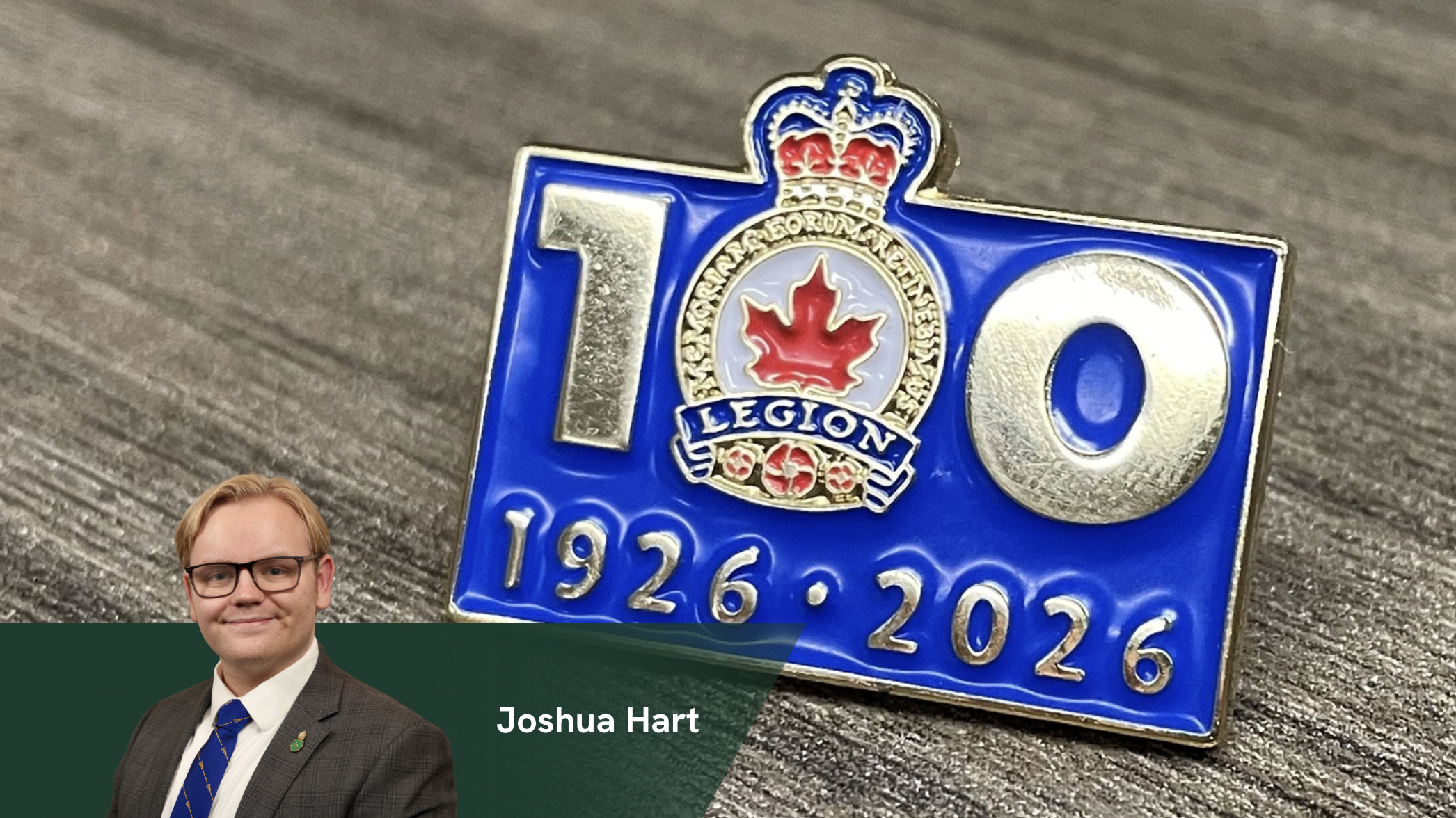

On July 17, the Royal Canadian Legion celebrated its 100th birthday.
With some fanfare, a commemoration was held at the National War Memorial in Ottawa.
Anthems were played, a flyover was conducted, and a new stamp was unveiled. This organization is now among the small club of centenarian institutions. . It is a remarkable milestone and one that should prompt Canadians to consider what this organization has done.
A hundred years ago, the Legion was not merely a social organization. It was a necessity.
Founded through the unification of multiple returning veterans' organizations for that great generation who gave so much fighting in the trenches and brutal warfare of the First World War. These men came home from a conflict unlike anything the country had ever experienced, and they needed more than gratitude. They needed support, and a community that understood what they had endured.
The Legion provided that community.
That commitment was renewed after the Second World War. With the scale of that effort being enormous. More than one million Canadians served King and Country during the war years. In the decades that followed, Legion halls became fixtures in communities across the country. The place where veterans could gather in fellowship, and Canadians could remember those who served.
Times have changed since 1945. The number of veterans is smaller, and fewer Canadians have a connection to military service. Membership is not what it was in the decades following the Second World War. Yet the Legion remains an important institution, and recent years have shown signs of renewed interest, with thousands of new members joining during this centenary year.
Yet for most Canadians their only connection comes once a year, when they attend a Remembrance Day ceremony or receive a poppy from a volunteer. Beyond that, the organization often exists at the edge of public awareness.
That is unfortunate. The Legion’s primary responsibility remains supporting veterans, but its value extends beyond that mission. Its branches represent gathering places where communities meet, where history is preserved, and where Canadians can connect with a part of the country’s story that is increasingly distant from everyday life.
Like many long-standing institutions, the Legion has faced difficult years. Some branches have closed, others have merged, and changing demographics have forced the organization to rethink how it operates. But throughout its history, the Legion has shown an ability to adapt, and its survival for a full century is a testament to that resilience.
If Canadians want the Legion to remain part of national life, they must do more than simply remember it once a year.
First, the Vancouver area is home to no shortage of Legions, which ought to be patronized more often by the general public. It might seem odd to go to a bar that was originally built to serve exclusively those returning from war, but many Legions, in need of revenue, have opened their doors and now cater to the general public as well.
The Billy Bishop Legion in Kitsilano is a prime example. An old-school English style pub full of character, and as a frequent patron myself, I can say it's often able to draw a good crowd. It's unfortunate that it isn't more of a community staple. Perhaps others aren't as drawn to the patriotic overtones of sipping a beer beneath the emblems of military regiments and flags of Canada, but to me there's something exciting about the whole experience. It vividly recalls a time lost in modern bars, which so often have little to no character or flavour.
Too many bars and restaurants today feel interchangeable. A Legion often feels like somewhere with a story.
There are many Legions across the Lower Mainland that run bingo nights, meat draws, and other community events, and could certainly use the patronage and support in their hundredth year. Next time you pick up a roll of stamps, buy the Legion 100 set. Canadians with connections to the armed forces should consider becoming members and taking part in the organization. Every small effort helps.
And, of course, when the time comes around, one would hope that this year's Poppy campaign is especially successful, and that as many Canadians as possible take the small effort to wear that flower on their chest — a solemn show of commitment to those who gave the ultimate sacrifice so that we may here enjoy the privilege of peace and security.
Times may have changed since Field Marshal Earl Haig urged the formation of what is now the Royal Canadian Legion. Though, the Legion’s next hundred years will depend on whether Canadians choose to see it not merely as a relic of the past, but as a living institution with a role to play in the future.
Its history is remarkable. Its service has been meaningful. Now it is up to Canadians to help ensure that this chapter of the country’s story continues.
Joshua Hart is a proud UBC alumnus, Calgary-based business development professional, and political advocate.