

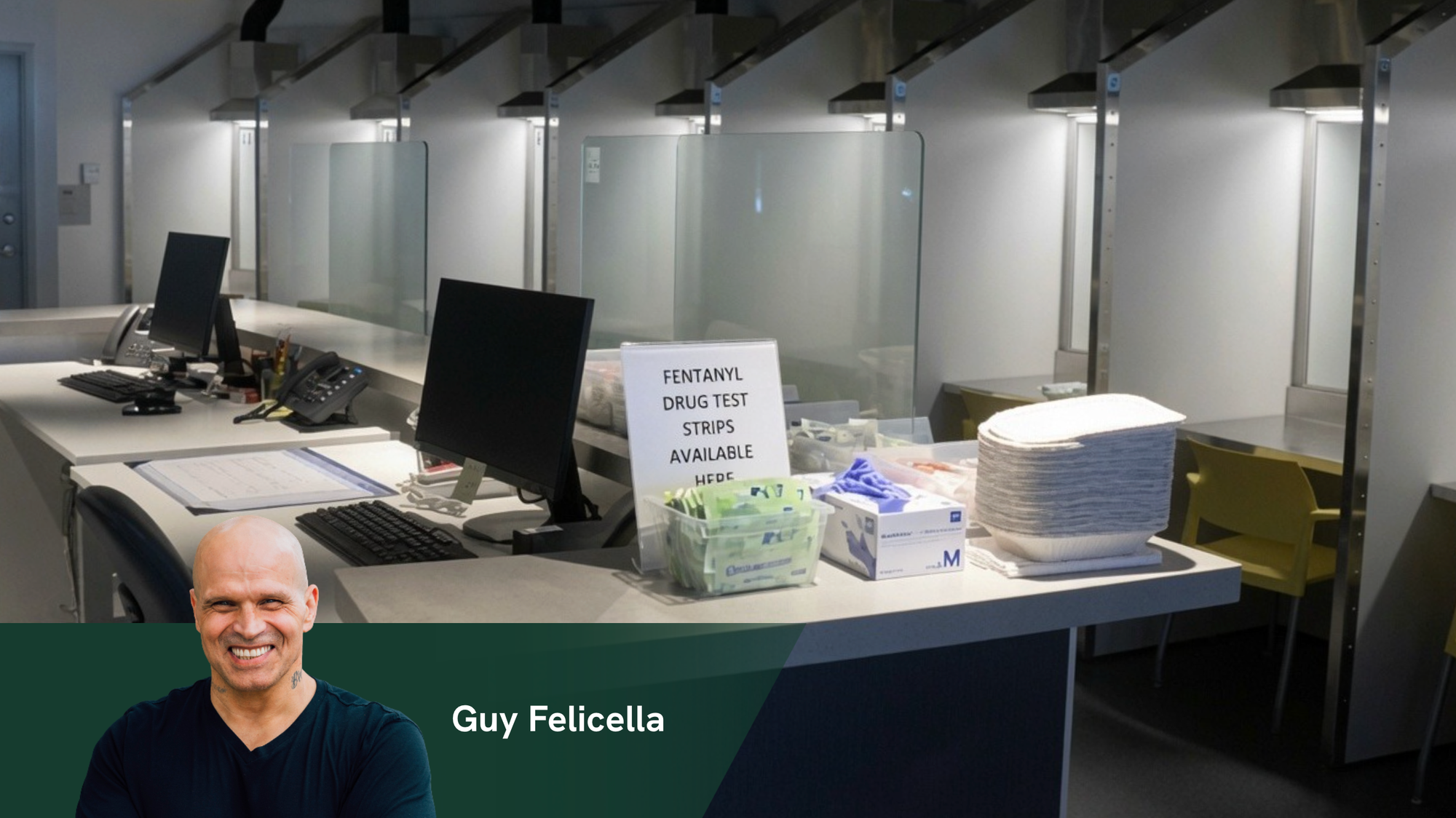

It may make good headlines to suggest British Columbia’s declining toxic drug deaths indicate the government's retreat from harm reduction is working — but it’s not a claim supported by the facts.
The reality is that overdose deaths have been declining across North America, including in regions that never adopted overdose prevention sites, prescribed alternatives, decriminalization, or many of the harm reduction services available in BC.
To point to declining deaths and conclude that scaling back harm reduction is the cause isn't informed analysis is baseless speculation.
Experts point to a number of likely causes for this trend, including changes to the drug supply itself, which has become marginally less lethal, but increasingly polluted with hazardous new adulterants, such as veterinary sedatives, in addition to fentanyl, and wide-scale public health strategies like the increased availability of naloxone.
The conversation about this crisis focuses too often on deaths alone, while ignoring the thousands of overdose events occurring every month that do not become fatalities. Across BC, people are being poisoned by the toxic drug supply every day. The difference is that more people are surviving.
Using a decline in deaths to argue that harm reduction isn't working is like using a decline in traffic fatalities to argue against seatbelts. We don't conclude that seatbelts have failed because fewer people die in crashes. We recognize that people are surviving because protections are in place.
The real question isn't whether fewer people are dying. The real question is how many more people would be dead without naloxone, overdose prevention sites, and peer responders?
How many people would have died alone? How many lives would have been lost before someone ever had the chance to access treatment, recovery, housing, or health care?
I know harm reduction saves lives because it saved mine. Since supervised consumption and overdose prevention services were introduced in British Columbia, tens of thousands of overdoses have been reversed, including six of my own. These interventions are not theories. They are functioning, measurable, life-saving responses, that allowed me to live long enough access the care and support I needed to achieve long-term recovery.
As someone who spent years struggling with substance use and who now works with people every day who are trying to survive this crisis, I can tell you that recovery and harm reduction are not competing ideas. One makes the other possible.
British Columbians deserve an honest conversation about what is driving changes in overdose deaths. The toxic drug supply has shifted. Drug-use patterns have changed. Communities across North America are seeing similar trends. Public health experts continue to study the reasons behind these declines because the crisis remains complex and evolving.
What we should not do is take a single statistic and use it to score political points.
The thousands of people who are alive today because harm reduction services intervened are not invisible. We are not hypothetical. We are fathers, mothers, sons, daughters, friends, co-workers and neighbours.
We are living proof that harm reduction works.
Guy Felicella is a peer clinical adviser, and harm reduction and recovery advocate.