
NORTH VANCOUVER — In 2015, then-prime minister Justin Trudeau vowed to get serious about electoral reform.
Over a decade later, little has changed federally or provincially.
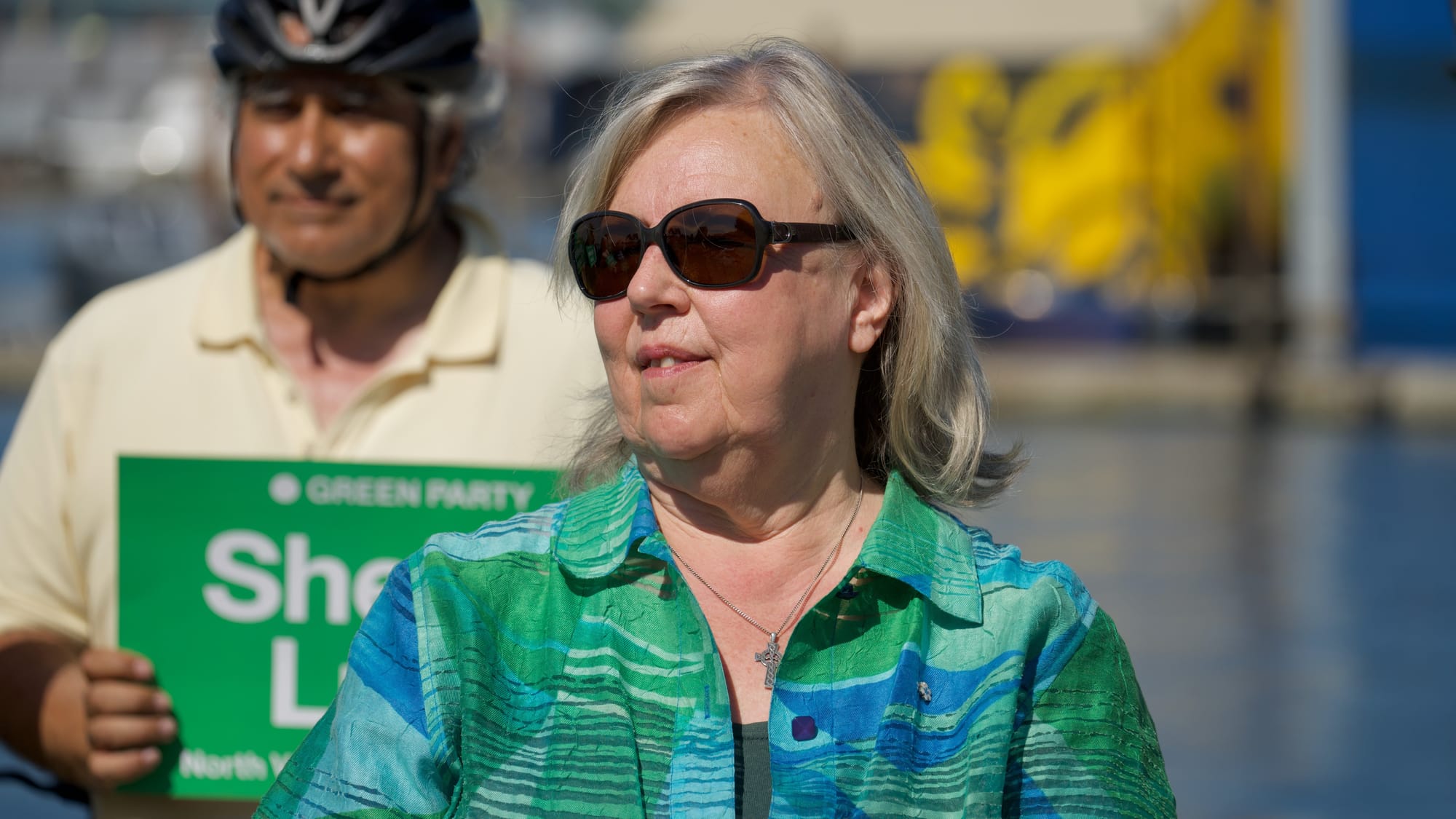
Among the strongest proponents for a new system is Green Party of Canada leader Elizabeth May. Following a press conference in North Vancouver on Wednesday, Sitka Media caught up with her to find out why.
Greens leader Elizabeth May makes the case for electoral reform, arguing first-past-the-post “distorts public will” via strategic voting:
— Sitka Media (@sitkamedia) July 17, 2026
“The idea that you have to vote for maybe what you don’t want because there’s something out there that’s even worse — it’s not healthy.” pic.twitter.com/j9Bf8Mxpi0
"The system we use now, almost no country uses it," May said. "It's only ever been used in the countries that were part of the commonwealth under Queen Victoria, and even in that group of countries, New Zealand has gotten rid of it."
Under first-past-the-post, the candidate with the most votes wins — even if it's less than 50% — and parties often secure "majority" governments without a majority of the votes. In fact, only six times in Canadian history has the governing party won a majority with more than 50% of the votes.
She argued that this system "distorts the public will" by encouraging strategic voting, saying, "the idea that you have to vote for maybe what you don’t want because there’s something out there that’s even worse — it’s not healthy.”
"Justin Trudeau promised in 2015, famously, that 2015 would be the last election under first-past-the-post," May said. "I believed him. I worked really hard as a member of the parliamentary committee that studied our voting systems and concluded that the system that would work best for Canadian democracy is proportional representation."
She suggested that Trudeau's broken promise "set us back a lot," and that as a result of his inaction, it's unclear when, or if, changes will be made.
May noted, however, that with Prime Minister Mark Carney and the Liberals' firm majority, by-elections can serve as opportunities for Canadians to vote for who they want, not who they think will prevent another from securing power.
"People are not going to be worried that if they vote Green, they're gonna accidentally elect a different person to be prime minister," she added. "It won't affect who's prime minister either way."
British Columbia nearly adopted a new electoral system in 2005, with 57.69% voting for reform in a referendum. Because the threshold had been set at 60% and not a simple majority, however, it did not pass. Fewer and fewer people expressed a desire for change in referendums over the following years, including the most recent in 2018.
In 2025, an all-party legislative committee recommended "establishing a peoples’ assembly to examine and make recommendations, in consultation with experts, on the model for electing Members of the Legislative Assembly." Premier David Eby refused to oblige, arguing that British Columbians are "done with that conversation."