
VANCOUVER — A group of 11 former British Columbia attorneys general recently penned a letter arguing that modern treaties are the "clearest and most durable way" to advance reconciliation in the province.
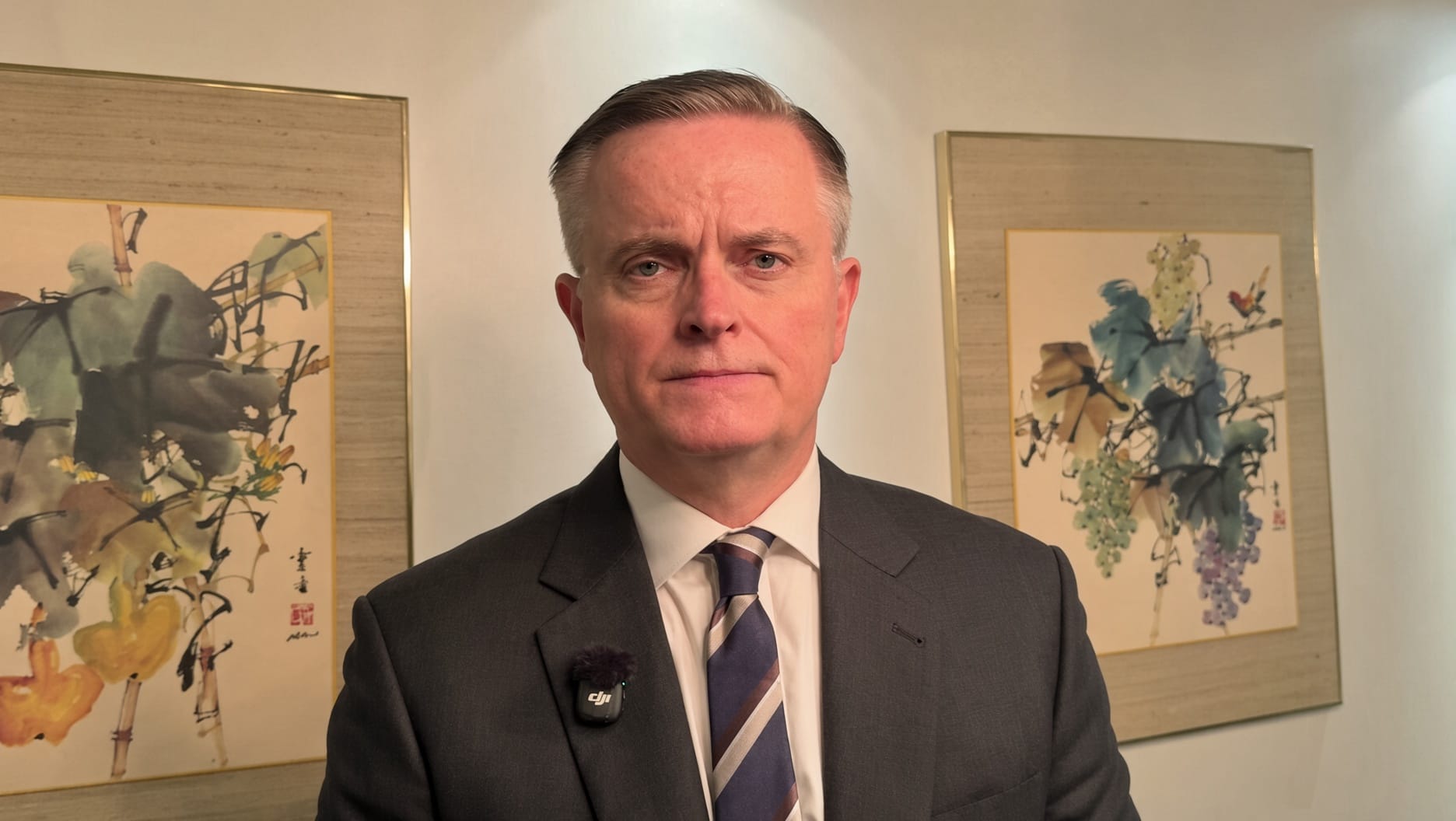
Among those asked to sign on was Barry Penner, who held the office from 2010 to 2011.
He refused.
In an exclusive interview with Sitka Media, Penner explained that unlike some of his predecessors and successors, he believed modern treaties fuel uncertainty. Thus, while he shared their sentiments on the need for reconciliation, he could not add his name to the letter.
Eleven ex-attorneys general penned a letter arguing modern treaties are the best way to advance reconciliation in BC.
— Sitka Media (@sitkamedia) September 15, 2026
Former AG Barry Penner was asked to sign his name as well, but refused.
Sitka Media’s @JarrydJaeger caught up with him to find out why 👇 pic.twitter.com/MRCO2jAqCl
"I was concerned not so much what the letter said, but what it didn't say," Penner explained. "It did not address the whole controversy around the DRIPA legislation and some of the delegated authority over vast swaths of Crown land or public land in British Columbia — and the concerns that British Columbians have around private property rights."
He acknowledged that all that was "probably challenging to put into a news release or a short letter," but maintained that "most British Columbians are having some level of concern about exactly what's transpired, and they need some help in understanding the difference between the treaties and the legislation that the provincial government has introduced."
 Jarryd Jäger
Penner went on to note that while treaties have been a viable solution in the past, modern treaties include new language that erodes certainty.
"What we're seeing in some of the new treaties proposed and brought forward by the current provincial government is different language than existed even in relatively recent treaties like the Tsawwassen Treaty or the Nisga'a Treaty," he said. "It's not necessarily, in my view, providing the kind of certainty that's been advertised."
Penner added that "in these more modern treaties, it's leaving open certain elements, what they call 'exercisable rights,' some of which will be determined later."
"To me, that doesn't necessarily provide the certainty that's being talked about, and which I think both sides of the table actually say that they want to achieve," he lamented. "So I think we've strayed a little bit away from certainty as an objective when you look into the actual wording of the proposed treaties."
Penner reiterated that, "while flexibility is admirable, it doesn't provide certainty."
When asked about the government's handling of the situation and alleged lack of transparency, he pointed to the fact that in most cases, "the deal's not struck yet and they don't want people to jump to conclusions."
"But when they don't share the details of what they're up to, or if they stray away from what they say publicly what the mandate is, and the final text when it does emerge is different," Penner added, "it does breed suspicion on the part of the general public and concern about exactly what is on the table and what are the potential impacts to not just public land, but potentially private land."
Penner, who now serves as chair of the Energy Futures Institute, cited the impact it's having on the mining sector
"The premier himself said that he was concerned and distraught and was going to bring in changes to DRIPA when the BC Supreme Court ruled prior to Christmas and interpreting legislation that the current government introduced and use that legislation to strike down mining permit," he said. "So that of course sent a chill through the mining exploration community in British Columbia, and for other people that are worried about a strong private sector economy."
Penner concluded by warning the government that "that kind of uncertainty does not attract capital that we need in our province to generate jobs and tax revenue."